Factors to Consider When Choosing Business Health Insurance
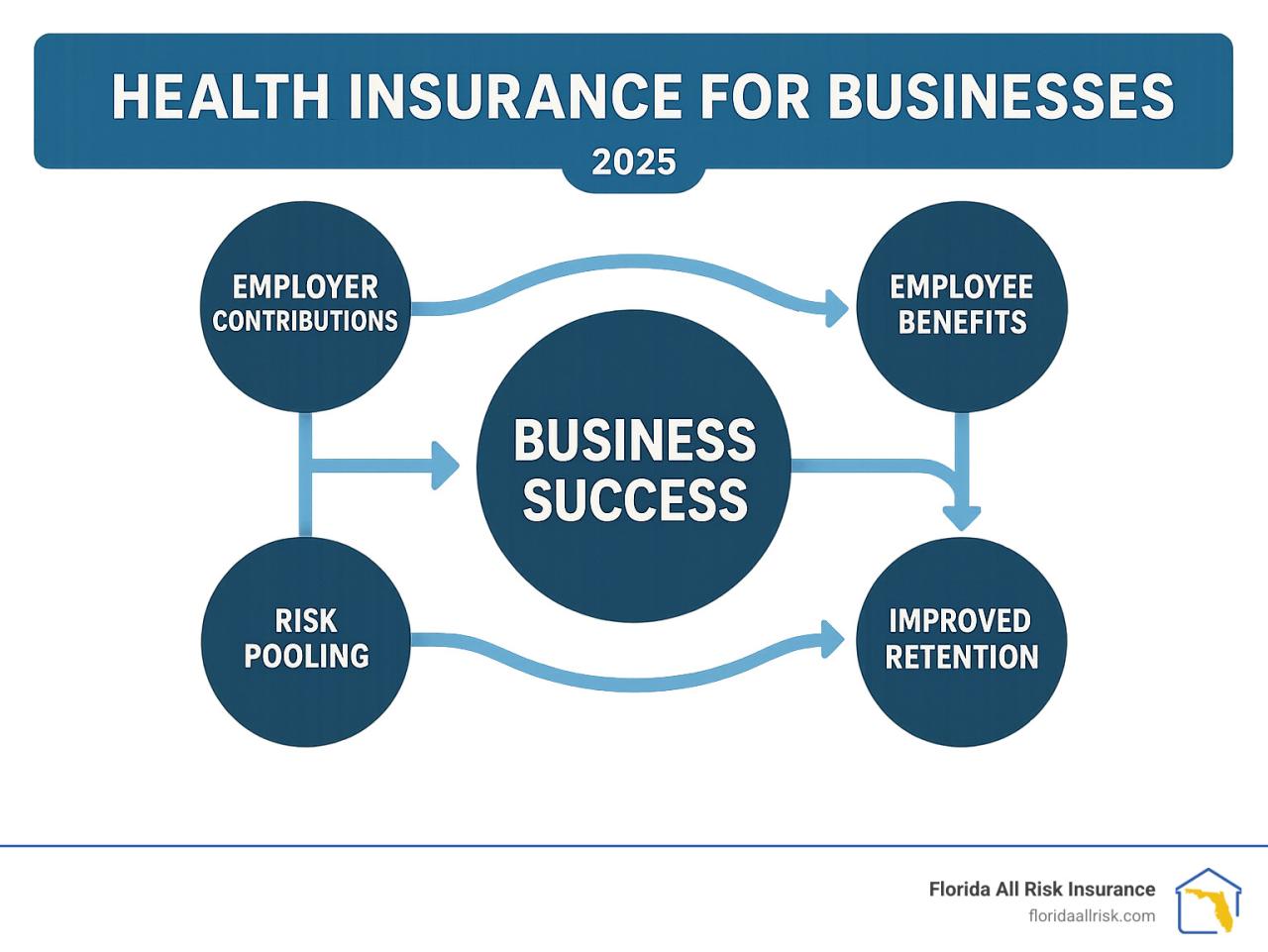
When selecting health insurance for a business, there are several key factors that need to be taken into consideration to ensure the well-being of employees and the financial stability of the company.
Employee Needs and Budget Constraints
It is crucial to consider the specific healthcare needs of your employees when choosing a health insurance plan. Different plans offer varying levels of coverage for services such as doctor visits, prescription medications, and hospital stays. Understanding the needs of your workforce can help you select a plan that provides adequate coverage without unnecessary costs.
Types of Health Insurance Plans
There are different types of health insurance plans available for businesses in 2025, including:
- Preferred Provider Organization (PPO)
- Health Maintenance Organization (HMO)
- Exclusive Provider Organization (EPO)
- Point of Service (POS)
Each type of plan has its own set of benefits and limitations, so it is important to compare them carefully to choose the one that best fits the needs of your employees and the budget of your business.
Impact of Business Size and Nature
The size and nature of your business can greatly influence the choice of health insurance. Larger companies may have more bargaining power with insurance providers, allowing them to negotiate better rates and more comprehensive coverage. On the other hand, small businesses may need to prioritize cost-effectiveness and flexibility in their health insurance plans to ensure they can provide adequate benefits to their employees without breaking the bank.
Emerging Trends in Business Health Insurance for 2025

The landscape of business health insurance is constantly evolving, and 2025 is no exception. Let's delve into the latest trends shaping the industry.
Advancements in Technology
Technology continues to play a crucial role in revolutionizing business health insurance. The use of artificial intelligence (AI) and data analytics is streamlining the insurance process, making it more efficient and personalized. Telemedicine services are also becoming more popular, allowing employees to access healthcare remotely, reducing costs and improving convenience.
Changing Regulations
Regulations surrounding health insurance are always changing, and businesses need to stay updated to remain compliant. In 2025, we can expect to see more emphasis on transparency and accessibility in insurance offerings. This may lead to more standardized plans and clearer pricing structures for businesses to choose from.
Adapting to Attract Talent
Businesses are increasingly using innovative health insurance offerings as a tool to attract and retain top talent. In 2025, we can expect to see more customizable insurance plans that cater to the diverse needs of employees. Wellness programs and mental health support are also likely to be prioritized to create a more holistic approach to employee well-being.
Tips for Evaluating Health Insurance Providers
When choosing a health insurance provider for your business, it is crucial to assess various factors to ensure you are selecting the best option for your employees. Evaluating health insurance providers requires a systematic approach that takes into consideration network coverage, customer service, and claim processing efficiency.
By following a step-by-step process and asking the right questions, you can make an informed decision that meets the needs of your business and employees.
Network Coverage
- Check the provider's network of healthcare professionals and facilities to ensure they cover a wide range of services in your area.
- Verify if your employees' current doctors and preferred hospitals are included in the provider's network.
- Consider the accessibility of network providers and the convenience for your employees to access care when needed.
Customer Service
- Inquire about the provider's customer service hours, responsiveness to inquiries, and the availability of online tools for managing health insurance benefits.
- Ask about the process for resolving issues or disputes, and how quickly they address concerns raised by employers or employees.
- Evaluate the overall satisfaction levels of current customers to gauge the quality of customer service provided by the health insurance provider.
Claim Processing Efficiency
- Understand the provider's claim processing procedures, including the average time taken to process claims and reimbursements.
- Inquire about the accuracy of claims processing and the provider's track record for handling claims efficiently.
- Ask about the transparency of claim processing, including the ability to track claims status and receive timely updates on claim submissions.
Remember to ask potential health insurance providers for references from current clients to get a firsthand account of their experiences with the provider.
Customizing Health Insurance Plans to Meet Business Needs
When it comes to choosing the best health insurance plan for your business, customization is key. Tailoring the plan to meet the specific needs of your employees and the nature of your business can lead to higher satisfaction and better overall health outcomes.
Here are some strategies to help you customize your health insurance plan effectively:
Offering Flexible Coverage Options
- Provide a range of coverage options to cater to different employee needs and preferences.
- Allow employees to choose between different deductibles, co-pays, and coverage levels.
- Consider offering a variety of network options to accommodate employees who may have preferred healthcare providers.
Add-On Services and Wellness Programs
- Enhance your health insurance plan with add-on services such as dental or vision coverage.
- Implement wellness programs that promote healthy lifestyle choices and preventive care.
- Offer incentives for employees to participate in wellness activities, such as gym memberships or health screenings.
Regular Reviews and Updates
- Regularly review your health insurance plan to ensure it aligns with the changing needs of your business and employees.
- Stay informed about emerging trends and updates in the healthcare industry to make informed decisions about plan modifications.
- Seek feedback from employees to understand their satisfaction levels and areas for improvement.
FAQs
What factors should I consider when choosing business health insurance?
Consider employee needs, budget constraints, types of available plans, and how business size and nature impact the choice.
What are some emerging trends in business health insurance for 2025?
Emerging trends include advancements in technology, changing regulations, and how businesses are adapting to attract and retain talent.
How can I evaluate health insurance providers effectively?
Look at network coverage, customer service, claim processing efficiency, and ask relevant questions to assess suitability.
Why is customizing health insurance plans important for businesses?
Customization aligns plans with specific business needs, offering flexible coverage options and add-on services for enhanced benefits.
How often should I review and update my business health insurance plan?
Regular reviews and updates are crucial to ensure the plan remains relevant and effective for the organization.