
Factors to Consider When Comparing Business Health Plans
When comparing business health plans, there are several key factors that should be taken into consideration to ensure you choose the right plan for your employees and your budget. Understanding the differences between various health plans, the importance of network coverage, and the role of deductibles and copayments is crucial in making an informed decision.
Key Differences Between Various Health Plans
- Health Maintenance Organization (HMO): Requires members to select a primary care physician and obtain referrals to see specialists.
- Preferred Provider Organization (PPO): Offers more flexibility in choosing healthcare providers without referrals, but often comes with higher out-of-pocket costs.
- High Deductible Health Plan (HDHP): Typically has lower monthly premiums but higher deductibles, making it suitable for those who are generally healthy and don't require frequent medical care.
The Importance of Network Coverage in Health Plans
Network coverage refers to the group of healthcare providers, hospitals, and facilities that have contracted with an insurance company to provide services at a discounted rate. It is important to consider network coverage when choosing a health plan because:
- Out-of-network services may not be covered or may come with higher costs.
- Having a robust network ensures that employees have access to quality healthcare providers in their area.
- Network coverage affects the overall cost-effectiveness of the plan, as staying in-network can help save on medical expenses.
The Role of Deductibles and Copayments in Determining Cost-Effectiveness
Deductibles and copayments are crucial components of a health plan that impact the cost of healthcare services for both the employer and employees. Understanding their role is essential because:
- Deductibles are the amount individuals must pay out-of-pocket before the insurance company starts covering costs.
- Copayments are fixed amounts paid for each healthcare service, such as doctor visits or prescription drugs.
- Higher deductibles often result in lower monthly premiums, but require individuals to pay more when they seek medical care.
- Copayments help individuals manage healthcare costs by providing a predictable amount for each service.
Types of Business Health Plans
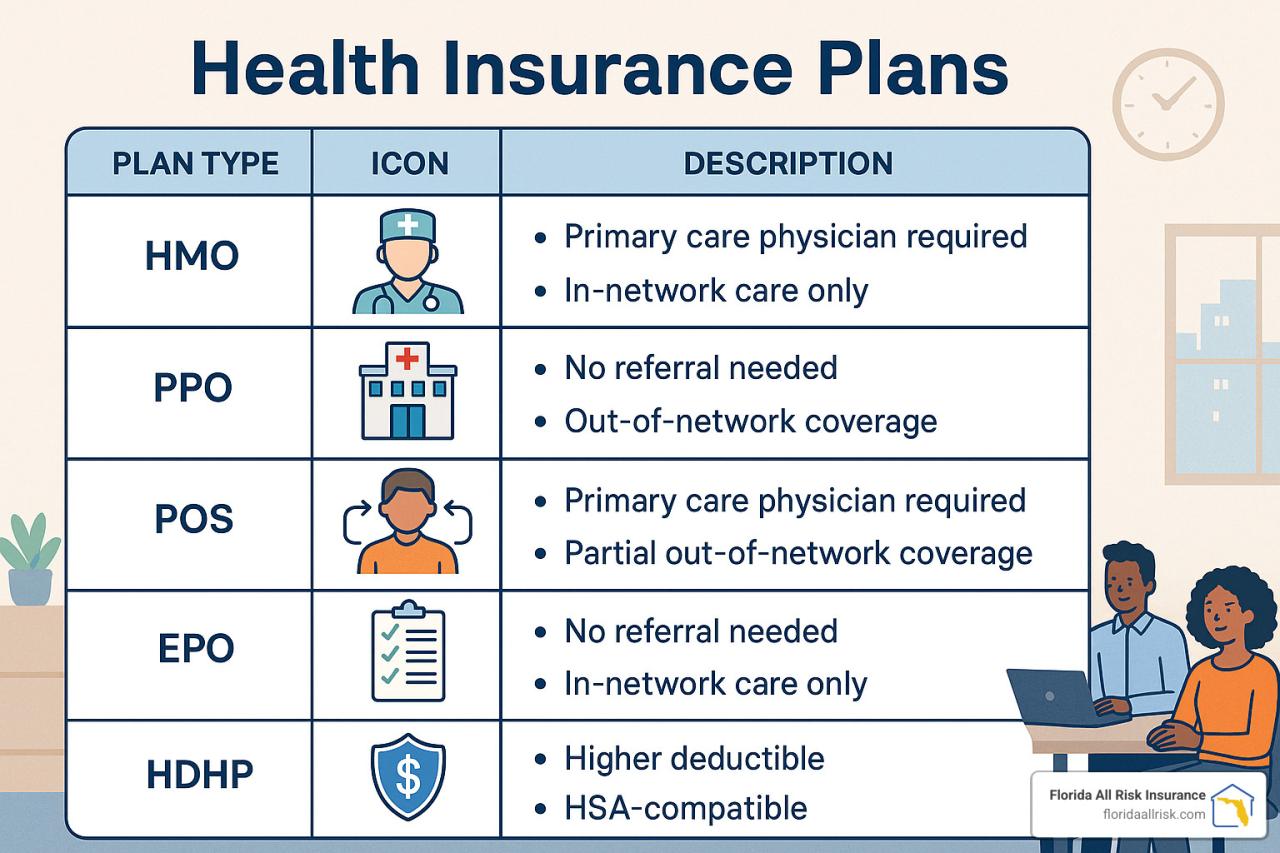
When it comes to selecting a business health plan, there are several options available to employers. Understanding the differences between these plans can help you make an informed decision that best suits the needs of your company and employees.
Comparing HMOs, PPOs, and EPOs
- HMO (Health Maintenance Organization):HMOs typically require employees to choose a primary care physician (PCP) who manages their healthcare needs. Referrals are needed to see specialists, and coverage is limited to a network of providers.
- PPO (Preferred Provider Organization):PPOs offer more flexibility than HMOs, allowing employees to see any healthcare provider, but at a higher cost if they choose an out-of-network provider. Referrals are not required for specialists.
- EPO (Exclusive Provider Organization):EPOs combine elements of HMOs and PPOs, offering lower costs like HMOs but without the need for referrals. Employees must stay within the network for coverage.
When a High-Deductible Health Plan (HDHP) may be Suitable
High-deductible health plans (HDHPs) are often chosen by companies looking to offer lower premiums and encourage employees to be more cost-conscious about their healthcare choices. HDHPs come with higher deductibles and out-of-pocket costs, but they are paired with Health Savings Accounts (HSAs) to help employees save for medical expenses.
Health Savings Accounts (HSAs) and Their Benefits
- HSAs are tax-advantaged savings accounts that employees can use to pay for qualified medical expenses.
- Contributions to HSAs are tax-deductible, grow tax-free, and can be withdrawn tax-free for medical expenses.
- HSAs are portable, meaning employees can keep the account even if they change jobs or retire.
Coverage Options and Limitations

When comparing business health plans, it's crucial to understand the coverage options and limitations that each plan offers. This can impact the level of healthcare services you and your employees can access, as well as the out-of-pocket costs you may incur.
Common Exclusions in Business Health Plans
Business health plans often come with certain exclusions that limit the coverage provided. These exclusions may vary depending on the plan and insurance provider, but some common exclusions to look out for include:
- Elective procedures such as cosmetic surgery
- Experimental treatments or procedures
- Dental and vision care (may require separate coverage)
- Preventive services not covered by the plan
Significance of Pre-existing Condition Clauses
Pre-existing condition clauses are an important aspect to consider when choosing a business health plan. These clauses determine how pre-existing conditions are covered under the plan, which can impact the eligibility of employees for certain services or treatments. It's essential to review these clauses carefully to ensure that individuals with pre-existing conditions receive the necessary coverage.
Coverage of Preventive Services
Preventive services are a key component of any healthcare plan, as they focus on maintaining health and preventing illnesses. Different business health plans offer varying coverage for preventive services, such as:
- Annual check-ups and screenings
- Immunizations and vaccinations
- Wellness programs and counseling
- Preventive medications
Cost Analysis of Business Health Plans
When comparing business health plans, it is crucial to consider the costs involved. Understanding how premiums, deductibles, and out-of-pocket expenses impact the overall expense can help you make an informed decision. Additionally, knowing how to negotiate better rates with insurance providers can save your business money in the long run.
Cost Comparison Table
| Health Plan | Premiums | Deductibles | Out-of-Pocket Costs |
|---|---|---|---|
| Plan A | $500/month | $1,000 | $5,000 |
| Plan B | $600/month | $800 | $6,000 |
| Plan C | $450/month | $1,200 | $4,500 |
Understanding Premiums, Deductibles, and Out-of-Pocket Costs
- Premiums: These are the monthly payments you make to the insurance company to maintain coverage. Higher premiums often mean lower out-of-pocket costs.
- Deductibles: This is the amount you must pay out of pocket before your insurance kicks in. Plans with higher deductibles typically have lower monthly premiums.
- Out-of-Pocket Costs: These are expenses you are responsible for paying beyond your premiums and deductibles. It includes copayments, coinsurance, and any costs not covered by your plan.
Tips for Negotiating Better Rates
- Compare multiple insurance providers to leverage better rates.
- Consider higher deductibles for lower premiums if your employees are generally healthy.
- Ask about wellness programs or incentives that could lower your overall costs.
- Negotiate for bundled services or discounts for insuring multiple employees.
Detailed FAQs
What are some common exclusions in business health plans?
Common exclusions can include cosmetic procedures, experimental treatments, and certain pre-existing conditions. It's important to review the policy details carefully to understand what is not covered.
How do deductibles and copayments impact the cost-effectiveness of a plan?
Higher deductibles typically mean lower monthly premiums but higher out-of-pocket costs when care is needed. Copayments are fixed amounts paid for covered services. Understanding these factors helps in evaluating the overall cost of a plan.
When is a high-deductible health plan (HDHP) a suitable choice?
HDHPs can be a good option for those who are generally healthy and don't anticipate needing frequent medical care. They often come with lower premiums but higher deductibles, making them cost-effective for certain individuals.
What are Health Savings Accounts (HSAs) and their benefits?
HSAs are tax-advantaged accounts that allow individuals to save money for medical expenses. Contributions are tax-deductible, and funds can be used for qualified medical costs, offering a way to save for healthcare expenses tax-free.