
Exploring the top tech startup business trends this year unveils a landscape of innovation and growth. From emerging technologies to sustainable practices, this guide delves into the key factors shaping the startup ecosystem in 2022.
As we navigate through the realms of remote work culture, data privacy, and security, we uncover the strategies and best practices that are propelling tech startups to new heights of success.
Emerging Technologies
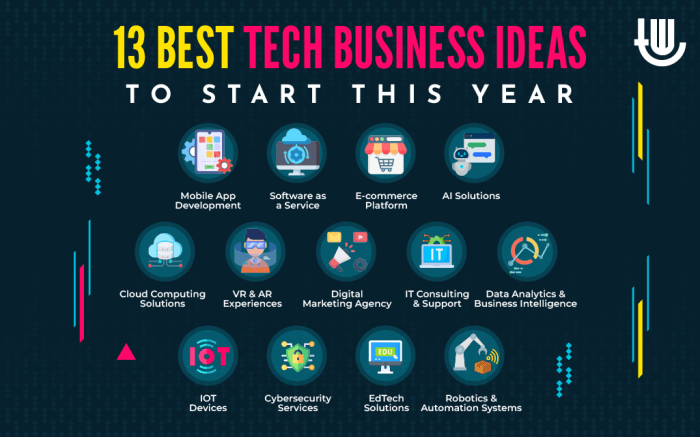
Technology is constantly evolving, and this year has seen some exciting trends in the tech startup world. Let's explore how emerging technologies are shaping the landscape for startups.
Artificial Intelligence
Artificial Intelligence (AI) is revolutionizing the way startups operate by enabling automation, predictive analytics, and personalized customer experiences. Companies like
DeepMind
are leveraging AI to develop innovative solutions in healthcare, finance, and more.
Blockchain
Blockchain technology is not just limited to cryptocurrencies. Startups are using blockchain for secure data storage, supply chain management, and smart contracts. For example,
VeChain
is a blockchain platform transforming the supply chain industry with transparency and traceability.
Internet of Things (IoT)
The Internet of Things (IoT) is creating new opportunities for startups to connect devices and collect valuable data for insights and automation. Startups like
Wyze Labs
are disrupting the smart home market with affordable IoT devices that offer convenience and efficiency.
Remote Work Culture
The shift to remote work has significantly impacted tech startup operations, requiring companies to adapt to a new way of working and collaborating. Maintaining a strong company culture in a remote setting is crucial for employee morale, productivity, and overall success.
Strategies for Maintaining Company Culture
- Regular virtual team meetings to foster communication and connection among team members.
- Encouraging virtual social events such as online team building activities, happy hours, or virtual coffee breaks.
- Providing opportunities for professional development and training to keep employees engaged and motivated.
- Emphasizing transparency and open communication channels to address concerns and maintain trust within the team.
Tools for Remote Collaboration
- Video conferencing platforms like Zoom, Microsoft Teams, or Google Meet for virtual meetings and discussions.
- Project management tools such as Trello, Asana, or Jira to track progress and assign tasks efficiently.
- Collaboration tools like Slack or Microsoft Teams for real-time communication and file sharing.
- Virtual whiteboarding tools for brainstorming and visual collaboration among team members.
Sustainable Practices
In the ever-evolving landscape of tech startup businesses, the importance of sustainability has been gaining traction. Startups are increasingly recognizing the value of incorporating eco-friendly initiatives into their operations to not only reduce their environmental impact but also to attract environmentally conscious consumers.
Examples of Sustainable Initiatives
- Utilizing renewable energy sources such as solar power to power their offices and data centers.
- Implementing remote work policies to reduce the carbon footprint associated with commuting.
- Adopting paperless practices through digital documentation and communication.
- Partnering with sustainable suppliers and vendors to ensure eco-friendly sourcing of materials.
Benefits of Sustainable Practices in Tech Startups
-
Enhanced brand reputation:
By demonstrating a commitment to sustainability, tech startups can enhance their brand reputation and attract environmentally conscious consumers.
-
Cost savings:
Implementing sustainable practices can lead to cost savings in the long run through reduced energy consumption and waste management.
-
Compliance with regulations:
By embracing sustainable practices, tech startups can ensure compliance with environmental regulations and avoid potential fines or penalties.
-
Employee satisfaction:
Adopting eco-friendly initiatives can boost employee morale and satisfaction, leading to higher retention rates and productivity.
Data Privacy and Security
Data privacy and security are crucial aspects for tech startups in 2022, as the increasing digitalization of business operations has amplified the risks associated with data breaches and cyber attacks. Ensuring the protection of customer data not only helps to comply with regulations but also builds trust and credibility with customers.
Best Practices for Protecting Customer Data
- Implement encryption techniques: Utilize encryption methods to secure sensitive data both at rest and in transit, reducing the risk of unauthorized access.
- Regularly update security measures: Stay up to date with the latest security patches and software updates to address vulnerabilities and protect against emerging threats.
- Conduct regular security audits: Perform routine security assessments to identify weaknesses in data protection protocols and address them promptly.
- Educate employees on data security: Train staff members on best practices for handling customer data securely and raise awareness about potential risks.
- Implement access controls: Restrict access to sensitive data to authorized personnel only, minimizing the chances of data leaks or breaches.
Building Trust with Customers through Robust Data Security Measures
- Transparency in data handling: Be transparent with customers about how their data is collected, used, and protected, fostering trust and demonstrating commitment to data privacy.
- Compliance with regulations: Adhere to data protection laws and regulations to assure customers that their data is being handled in accordance with legal requirements.
- Prompt response to security incidents: In the event of a data breach, communicate openly with customers, take responsibility, and act swiftly to mitigate the impact and prevent future occurrences.
- Invest in reliable cybersecurity tools: Deploy robust cybersecurity solutions to safeguard customer data effectively and demonstrate a proactive approach to data security.
Final Wrap-Up
In conclusion, the dynamic nature of the tech startup industry calls for adaptability and forward-thinking. By embracing the trends Artikeld in this guide, startups can position themselves for sustainable growth and resilience in the ever-evolving digital landscape.
FAQ
How are artificial intelligence, blockchain, and IoT influencing tech startup trends?
These emerging technologies are revolutionizing the way tech startups operate, enabling increased efficiency, automation, and innovative solutions.
What tools are essential for remote collaboration in tech startups?
Tools like Slack, Zoom, and Trello have become indispensable for maintaining seamless communication and workflow in remote work settings.
Why is data privacy and security crucial for tech startups?
Ensuring data privacy and security not only protects customer information but also builds trust and credibility with stakeholders.