
Delve into the world of startup businesses with a focus on Marketing strategies, where innovation meets opportunity. Get ready for a journey filled with insights and success stories that will inspire and enlighten.
As we explore the realm of Marketing strategies for startup businesses, we uncover the key elements that pave the way for growth and recognition in a competitive market.
Importance of Marketing Strategies for Startups
Marketing strategies are essential for the success of startup businesses as they help create brand awareness, attract customers, and differentiate the startup from competitors. Without effective marketing strategies, startups may struggle to reach their target audience and generate sales.
Examples of Successful Startups
- Uber: Uber utilized innovative marketing strategies such as referral programs and partnerships to rapidly expand its customer base and become a household name in the ride-sharing industry.
- Squarespace: Squarespace leveraged content marketing and social media campaigns to establish itself as a leading website building platform, catering to small businesses and individuals.
Standing Out in a Competitive Market
Marketing strategies play a crucial role in helping startups stand out in a competitive market by highlighting their unique value proposition and engaging with their target audience effectively. By focusing on branding, customer experience, and digital marketing tactics, startups can differentiate themselves from competitors and attract loyal customers.
Identifying Target Audience
Identifying the target audience is a crucial step for any startup as it helps in tailoring marketing strategies to reach the right customers. By understanding the demographics, behaviors, and preferences of the target audience, startups can create more effective campaigns and products.
Process of Identifying Target Audience
When identifying the target audience for a startup, it is essential to analyze various factors to pinpoint the ideal customer profile. This process typically involves:
- Conducting market research to gather data on potential customers
- Analyzing competitors to see who they are targeting
- Creating buyer personas based on demographics, interests, and pain points
- Testing different segments to see which ones respond best to marketing efforts
Significance of Understanding Target Audience’s Needs and Preferences
Understanding the needs and preferences of the target audience allows startups to tailor their products and marketing messages to resonate with potential customers. This leads to higher conversion rates, increased customer loyalty, and ultimately, business growth.
Methods for Conducting Market Research
Market research is crucial for startups to identify their target audience effectively. Some methods for conducting market research include:
- Surveys and questionnaires to gather feedback from potential customers
- Interviews with existing customers to understand their motivations and pain points
- Social media monitoring to track conversations and trends related to the industry
- Competitor analysis to see who they are targeting and how they are positioning themselves
Branding and Positioning
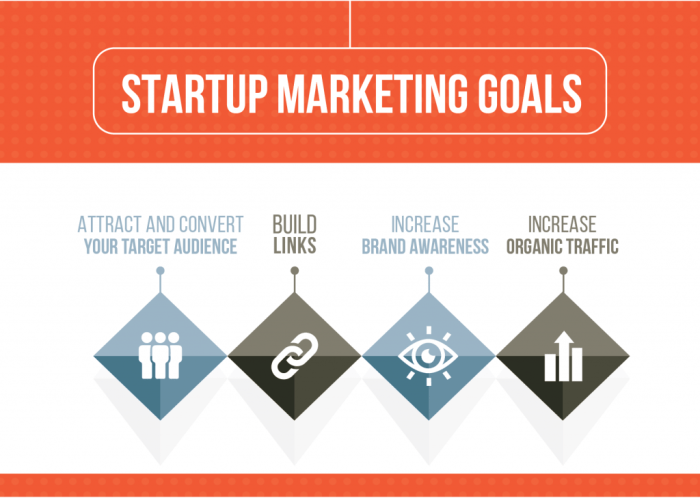
Branding plays a crucial role in the success of startup businesses as it helps differentiate them from competitors, build customer loyalty, and establish a strong market presence. Effective branding can create a lasting impression on consumers and influence their purchasing decisions.
Startups need to carefully craft their brand identity to resonate with their target audience and communicate their unique value proposition.
Importance of Branding for Startups
- Builds Trust and Credibility: A strong brand can instill trust and credibility in the minds of consumers, making them more likely to choose your products or services over others.
- Creates Recognition and Awareness: Consistent branding helps in creating recognition and awareness among consumers, making your startup more memorable in a crowded marketplace.
- Differentiates from Competitors: Unique branding sets your startup apart from competitors and highlights what makes you special, attracting customers who resonate with your values.
Examples of Successful Branding Strategies by Startups
- Uber: Uber revolutionized the transportation industry by creating a sleek and modern brand image that appealed to a tech-savvy audience, focusing on convenience and innovation.
- Casper: Casper disrupted the mattress industry with a fresh and approachable brand identity, emphasizing quality, comfort, and simplicity in their products.
- Warby Parker: Warby Parker redefined the eyewear market by offering affordable, stylish glasses through a socially conscious brand that resonated with millennials.
Effective Positioning through Branding
- Identify Target Audience: Startups need to understand their target audience's needs, preferences, and pain points to tailor their branding strategy effectively.
- Unique Value Proposition: Clearly communicate what sets your startup apart from competitors and why customers should choose your products or services over others.
- Consistent Branding: Maintain consistency in branding across all touchpoints, including logo, messaging, and visual elements, to reinforce your startup's identity in the market.
Online Marketing Strategies
Online marketing plays a crucial role in the growth and success of startup businesses in today's digital age. It allows startups to reach a wider audience, establish brand presence, and drive customer engagement through various digital channels.
Role of Digital Marketing in Startup Growth
Digital marketing enables startups to level the playing field with established competitors by providing cost-effective ways to promote their products or services. It helps in building brand awareness, generating leads, and increasing conversions through targeted online campaigns.
Online Marketing Channels for Startups
- Social Media Marketing: Platforms like Facebook, Instagram, Twitter, and LinkedIn allow startups to connect with their target audience, share engaging content, and drive traffic to their website.
- Search Engine Optimization (): Optimizing website content for search engines helps startups improve their online visibility and attract organic traffic from users searching for relevant s.
- Content Marketing: Creating valuable and relevant content, such as blogs, videos, and infographics, can help startups establish thought leadership, engage their audience, and drive traffic to their website.
- Email Marketing: Sending targeted email campaigns to prospects and customers can help startups nurture leads, promote new products or services, and drive conversions.
- Pay-Per-Click Advertising (PPC): Running PPC campaigns on platforms like Google Ads and social media channels can help startups drive immediate traffic to their website and generate leads through targeted ads.
Importance of Strong Online Presence for Startups
A strong online presence is essential for startups to establish credibility, build trust with customers, and stand out in a crowded market. It allows startups to showcase their products or services, engage with their target audience, and drive brand loyalty through consistent and strategic online marketing efforts.
Budget-Friendly Marketing Tactics
When it comes to startup businesses, having a limited budget for marketing can be a challenge. However, there are several cost-effective marketing tactics that startups can utilize to maximize their budget and achieve optimal results.
Utilizing Social Media Platforms Efficiently
Social media platforms offer a great opportunity for startups to reach a wide audience without spending a fortune. By creating engaging content, interacting with followers, and utilizing targeted advertising, startups can effectively promote their brand and products/services.
Collaborating with Influencers
Partnering with influencers in your industry can be a budget-friendly way to increase brand awareness and reach a larger audience. Influencers can help promote your products/services to their followers, providing valuable exposure for your startup.
Content Marketing Strategies
Creating high-quality, relevant content can help startups attract and retain customers without a significant financial investment. By producing blog posts, videos, infographics, and other content that resonates with your target audience, startups can establish themselves as industry experts and build credibility.
Closing Notes
In conclusion, Marketing strategies serve as the beacon of hope for startup businesses, guiding them towards prosperity and recognition. Embrace the power of strategic marketing and watch your startup thrive in the dynamic business landscape.
Commonly Asked Questions
How crucial are marketing strategies for the success of startups?
Marketing strategies are essential for startups as they help create brand awareness, attract customers, and differentiate the business from competitors.
What methods can startups use to identify their target audience?
Startups can conduct surveys, analyze data, and utilize social media insights to pinpoint their target audience accurately.
Why is branding important for startup businesses?
Branding helps startups establish a unique identity, build credibility, and connect emotionally with customers.
What are some budget-friendly marketing tactics suitable for startups?
Startups can leverage content marketing, social media platforms, and partnerships with influencers to promote their business cost-effectively.