
Embarking on a startup journey in the US and Europe comes with a myriad of legal requirements that entrepreneurs need to navigate. From business structures to intellectual property protection and employment laws, this guide delves into the essential aspects that startups must consider to operate within the legal frameworks of both regions.
As we explore the legal landscape for startups, we will uncover the key differences and similarities between the US and Europe, shedding light on the intricacies of compliance and regulation.
Legal Requirements for a Startup Business in the US
Starting a business in the US comes with several legal requirements that entrepreneurs need to navigate. Understanding the necessary business structures, registration process, licenses, permits, and tax obligations is crucial for a successful startup journey.
Business Structure Options for Startups
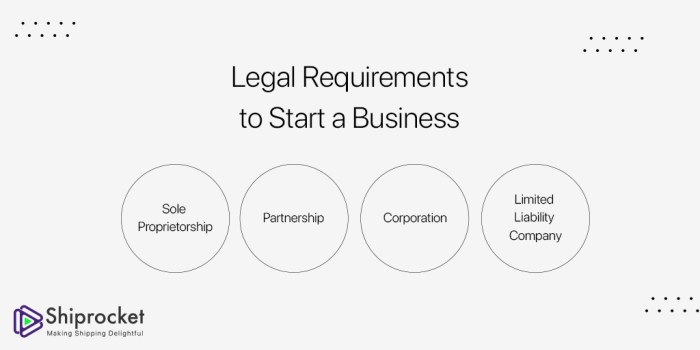
When starting a business in the US, entrepreneurs can choose from various business structures, including sole proprietorship, partnership, limited liability company (LLC), corporation, and S corporation. Each structure has different implications for liability, taxes, and management.
Registration Process for a Startup in the US
To register a startup in the US, entrepreneurs need to choose a business name, file the necessary documents with the state government, obtain an employer identification number (EIN) from the IRS, and comply with any additional requirements based on the chosen business structure.
Licenses and Permits Required to Operate Legally in the US
Depending on the type of business and its location, startups in the US may need to obtain various licenses and permits to operate legally. These could include general business licenses, industry-specific permits, health permits, zoning permits, and more.
Tax Obligations for Different Business Structures in the US
Tax obligations for startups in the US vary depending on the chosen business structure. Sole proprietors report business income on their personal tax returns, while corporations have separate tax obligations. Understanding the tax implications of each structure is essential for compliance and financial planning.
Legal Requirements for a Startup Business in Europe
When starting a business in Europe, there are several legal structures available for startups to choose from. Understanding the different legal structures is crucial for ensuring compliance with regulations and setting up the business properly.
Legal Structures Available for Startups in Europe
In Europe, startups can choose from various legal structures such as:
- Private Limited Company (Ltd)
- Public Limited Company (PLC)
- Partnerships
- Sole Proprietorship
Company Registration Process in a European Country
Registering a company in Europe involves several steps, including:
- Choose a business name and legal structure
- Draft the articles of association
- Register the company with the relevant authorities
- Obtain necessary permits and licenses
Common Regulatory Requirements for Startups in Europe
Some common regulatory requirements that startups in Europe need to comply with include:
- Filing annual financial statements
- Complying with tax regulations
- Adhering to employment laws
- Following data protection regulations
Data Protection Regulations in Europe
Startups in Europe must comply with the General Data Protection Regulation (GDPR), which governs the processing of personal data and imposes strict requirements on businesses handling customer information. It is essential for startups to implement data protection measures to safeguard customer data and avoid hefty fines for non-compliance.
Intellectual Property Protection
Protecting intellectual property is crucial for startups to safeguard their unique ideas, inventions, and creations from being copied or stolen. It allows them to establish a competitive edge in the market and prevent others from profiting off their hard work.
Trademark Registration Process in the US and Europe
In the US, trademark registration is done through the United States Patent and Trademark Office (USPTO). The process involves conducting a comprehensive search to ensure the chosen mark is not already in use, submitting an application, and responding to any office actions.In Europe, trademark registration is managed by the European Union Intellectual Property Office (EUIPO).
The process is similar to the US, requiring a thorough search, application submission, and potentially responding to objections raised during examination.
Differences in Patent Laws between the US and Europe
The US follows a first-to-invent system for patents, meaning the person who can prove they were the first to conceive of the invention is granted the patent rights. In contrast, Europe operates on a first-to-file system, where the first person to file a patent application is typically awarded the rights
Tips for Safeguarding Intellectual Property for Startups
- Conduct thorough research to ensure your intellectual property is unique and not infringing on existing rights.
- File for trademarks, patents, or copyrights as soon as possible to establish legal protection.
- Consider non-disclosure agreements (NDAs) when sharing sensitive information with third parties.
- Monitor the market for any potential infringement and take prompt legal action if needed.
Employment Laws and Regulations
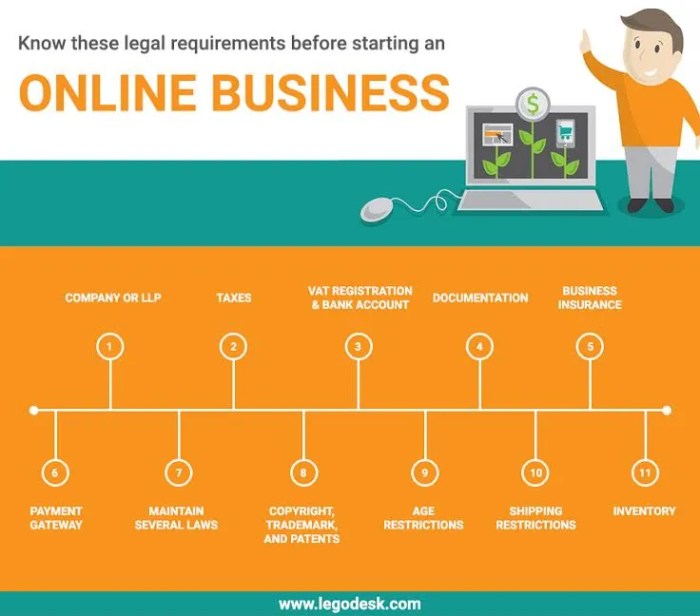
Startups in the US and Europe need to be aware of the employment laws and regulations that govern their hiring practices. Understanding the key differences between the two regions is crucial for compliance and successful operations.
Employment Laws in the US
In the United States, startups must adhere to federal and state employment laws. Some key regulations include:
- Equal Employment Opportunity (EEO) laws prohibiting discrimination based on race, gender, religion, etc.
- Minimum wage requirements set by the Fair Labor Standards Act (FLSA).
- Family and Medical Leave Act (FMLA) providing unpaid leave for certain medical and family reasons.
Employment Laws in Europe
European countries have varying labor regulations, but some common features include:
- Strong workers' rights protection, including paid vacation and parental leave.
- Maximum working hour limits and mandatory rest breaks.
- Collective bargaining agreements between employers and trade unions.
Requirements for Hiring Employees
When hiring employees in both regions, startups need to consider:
- Verification of eligibility to work in the country.
- Compliance with tax and social security contributions.
- Understanding of termination procedures and notice periods.
Creating Employment Contracts
It is essential to create employment contracts that comply with the law, including:
- Clearly defining job roles, responsibilities, and expectations.
- Stipulating salary, benefits, working hours, and vacation policies.
- Including confidentiality and non-compete clauses where applicable.
End of Discussion
In conclusion, understanding and meeting the legal requirements for a startup business in the US and Europe is crucial for long-term success and sustainability. By adhering to the necessary regulations and safeguards, startups can position themselves for growth and innovation in competitive markets.
FAQs
What are the key differences between US and European legal structures for startups?
In the US, startups often opt for LLCs or S Corporations, while Europe offers options like GmbH or SARL. Understanding the nuances of each structure is vital for choosing the right one for your startup.
Do startups in both regions need to comply with GDPR regulations?
Yes, startups in both the US and Europe must comply with GDPR regulations if they handle the personal data of European citizens. It's crucial to ensure data protection measures are in place to avoid hefty fines.