
Exploring the impact of Small Business Week on local economic growth unveils a tapestry of opportunities and collaborations that drive communities forward. From celebrating the backbone of our economy to fostering innovation and creativity, Small Business Week plays a pivotal role in shaping the landscape of local businesses.
Importance of Small Business Week
Celebrating Small Business Week holds great significance as it highlights the vital role that small businesses play in driving local economies and fostering community growth. This designated week serves as a platform to recognize and appreciate the contributions of small businesses to the overall economic landscape.Impact on Local Communities
Small Business Week has a direct impact on local communities by promoting entrepreneurship, innovation, and job creation. These small businesses often serve as the backbone of the community, providing essential goods and services while also creating a sense of place and identity. Furthermore, small businesses contribute to the overall economic vitality of the region by keeping money circulating within the community.History and Evolution
Small Business Week has a rich history dating back to the 1960s when it was first established to honor and support small businesses across the United States. Over the years, the initiative has evolved to include a wide range of activities such as workshops, networking events, and promotional campaigns aimed at empowering small business owners and fostering growth. The celebration of Small Business Week has now become a global phenomenon, with countries around the world recognizing the importance of small businesses in driving economic development.Small Business Contributions to Local Economic Growth
Small businesses play a crucial role in driving local economic growth by creating job opportunities, fostering innovation, and contributing to the overall prosperity of communities. Their impact goes beyond just financial gains, as they also help build a sense of community and support the local ecosystem.Job Creation and Employment
Small businesses are significant job creators in local economies, providing employment opportunities for a large portion of the workforce. According to the Small Business Administration, small businesses created nearly two-thirds of net new jobs in the United States from 2000 to 2019. These jobs not only support individuals and families but also contribute to the overall economic stability of the community.Innovation and Entrepreneurship
Small businesses are often at the forefront of innovation, developing new products, services, and solutions that drive economic growth. They have the flexibility and agility to adapt quickly to changing market demands and technological advancements, fostering a culture of entrepreneurship and creativity within the community.Supporting Local Supply Chains
Small businesses are integral to local supply chains, as they often source goods and services from other businesses within the community. By supporting each other, small businesses contribute to the growth and sustainability of the local economy, creating a multiplier effect that benefits the entire region.Key Sectors Driving Local Economic Development
Small businesses play a vital role in various sectors, including retail, hospitality, healthcare, professional services, and manufacturing. These businesses not only drive economic activity within their respective industries but also contribute to the overall diversification and resilience of the local economy.Government Support and Initiatives
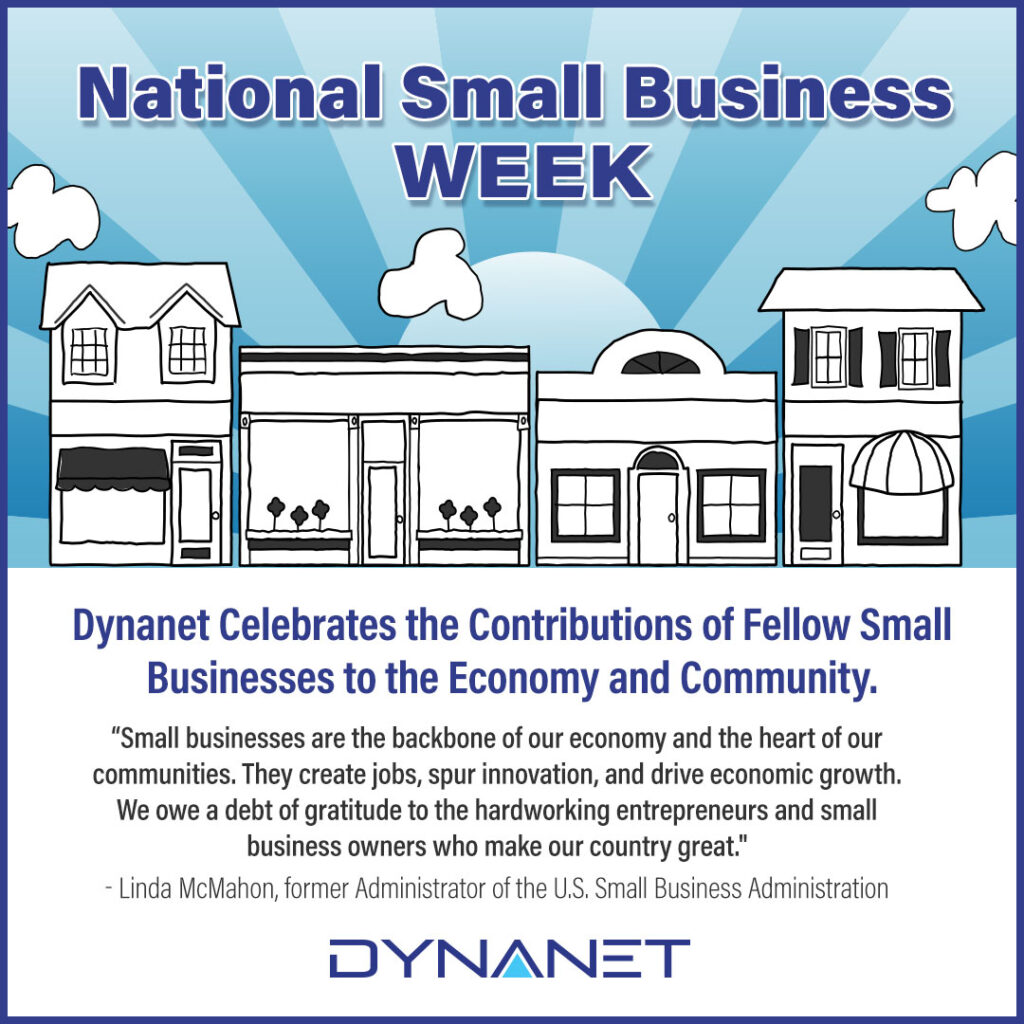 Government support plays a crucial role in fostering the growth of small businesses, especially during Small Business Week. Local, state, and federal authorities implement various programs and policies to provide assistance to small business owners and entrepreneurs.
Small Business Administration (SBA) Loans
The Small Business Administration (SBA) offers loans to small businesses that may not qualify for traditional bank loans. These loans provide essential funding for start-ups and existing small businesses to support growth and expansion.Tax Incentives and Credits
Governments at different levels provide tax incentives and credits to small businesses to encourage investment, hiring, and innovation. These incentives can include deductions for business expenses, credits for hiring disadvantaged workers, or breaks for investing in certain industries.Procurement Programs
Government procurement programs set aside contracts for small businesses, allowing them to compete for government projects. This initiative helps small businesses access a stable revenue stream and gain valuable experience working with government agencies.Business Development Centers
Local governments often establish business development centers to provide resources, training, and mentorship to small business owners. These centers offer guidance on various aspects of running a business, from marketing strategies to financial planning.Regulatory Assistance
Government authorities help small businesses navigate complex regulatory requirements by offering guidance and support. This assistance ensures that small businesses can comply with laws and regulations without facing significant financial burdensCollaboration and Networking Opportunities
Small Business Week provides a platform for local businesses to collaborate and network, fostering a supportive environment for growth and development.Examples of Networking Events or Programs
- Business Mixers: Small Business Week often includes networking events such as business mixers where local entrepreneurs can meet, exchange ideas, and form partnerships.
- Workshops and Seminars: Various workshops and seminars are organized during Small Business Week to provide opportunities for business owners to learn from experts and connect with other professionals.
- Trade Shows: Small Business Week may feature trade shows where businesses can showcase their products and services, network with potential customers, and explore collaboration opportunities.
Benefits of Networking and Collaboration
- Knowledge Sharing: Networking allows business owners to share insights, best practices, and industry knowledge, leading to mutual learning and growth.
- Resource Pooling: Collaboration enables businesses to pool resources, expertise, and capabilities, enhancing their competitive advantage and overall success.
- New Opportunities: Networking opens doors to new opportunities, partnerships, and markets, expanding the reach and impact of local businesses.
Innovation and Creativity in Small Businesses
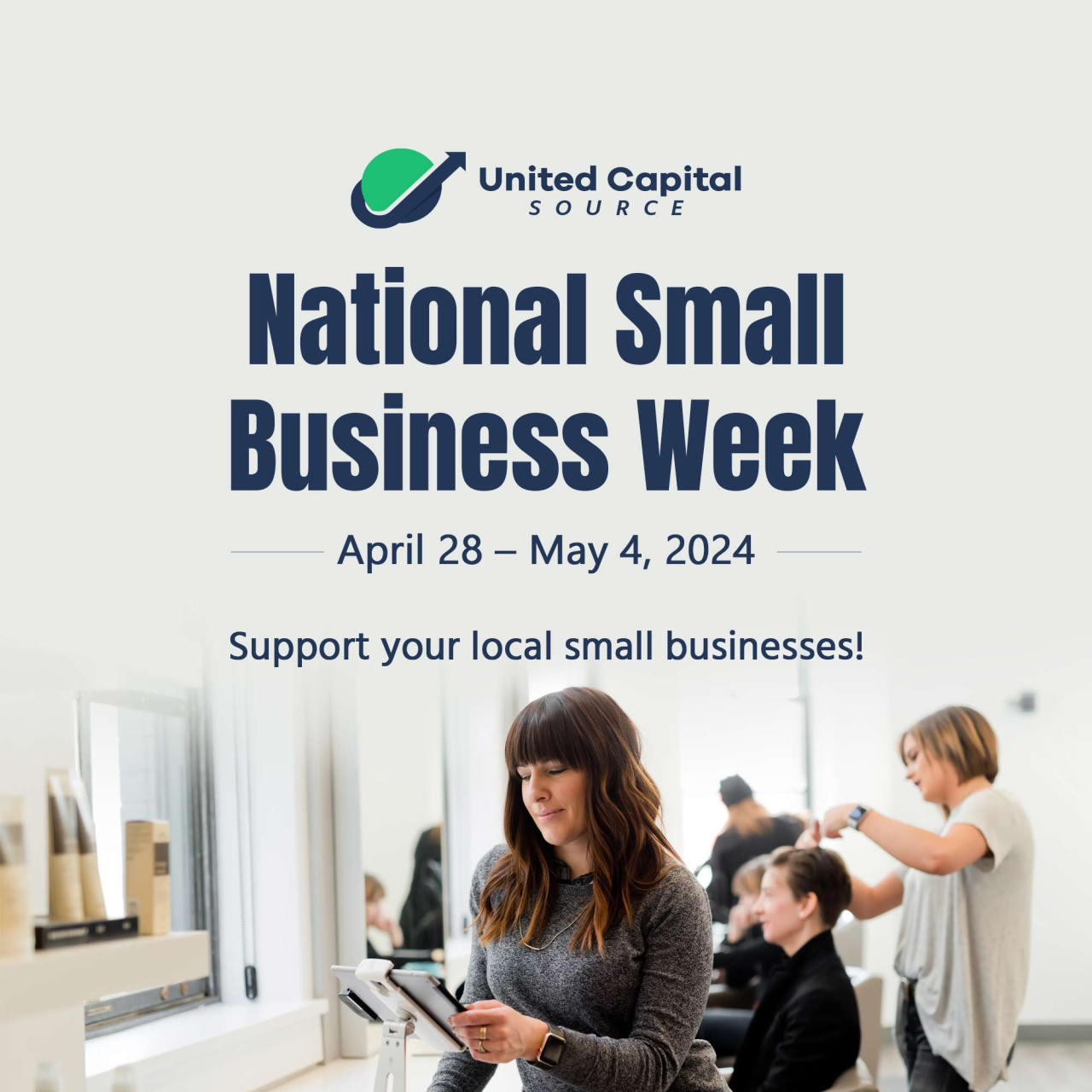 Innovation and creativity are essential components of small businesses that drive growth and success. Small Business Week plays a crucial role in encouraging and highlighting these aspects within the small business community.
Success Stories of Innovated Small Businesses
- One success story comes from a small bakery that introduced a unique flavor of cupcakes during Small Business Week, attracting a new customer base and increasing sales.
- Another example is a small tech startup that launched a groundbreaking app during Small Business Week, gaining national recognition and securing funding for further development.
Role of Innovation in Local Economic Growth
Innovation in small businesses leads to the development of new products, services, and processes, which in turn creates job opportunities, attracts investment, and boosts economic growth within local communities.
- Small businesses that innovate are more likely to stay competitive in the market, adapt to changing trends, and contribute to the overall economic prosperity of the region.
- By fostering a culture of innovation and creativity, Small Business Week empowers entrepreneurs to think outside the box, take risks, and explore new possibilities for growth and success.
Community Engagement and Support
Community engagement plays a vital role in supporting small businesses and fostering local economic growth. Small Business Week serves as a platform to promote community involvement and support for small enterprises. This engagement helps create a strong network of local businesses, customers, and stakeholders working together towards a common goal of economic prosperity.Community-Driven Initiatives during Small Business Week
- Local Business Fairs: Small Business Week often includes local business fairs where small businesses can showcase their products and services to the community.
- Collaborative Workshops: Workshops focusing on topics like marketing, financial planning, and technology are organized during Small Business Week to help small business owners enhance their skills and knowledge.
- Community Outreach Programs: Initiatives such as charity events, fundraisers, and community service projects are commonly organized during Small Business Week to give back to the local community and build relationships.
Importance of Community Involvement
Community involvement is crucial for sustaining small businesses and driving local economic growth. When the community actively supports small businesses, it leads to increased customer loyalty, word-of-mouth referrals, and a sense of belonging. Community engagement also helps small businesses understand the needs and preferences of local customers, allowing them to tailor their products and services accordingly.Closure
In conclusion, Small Business Week stands as a beacon of support for local economic growth, showcasing the power of community engagement, government initiatives, and collaborative efforts. As we continue to champion small businesses, we pave the way for a vibrant and resilient local economy.
Helpful Answers
How does Small Business Week impact local communities?
Small Business Week boosts local economies by highlighting the contributions of small businesses, fostering collaboration, and promoting community engagement.
What are some government initiatives supporting small businesses during Small Business Week?
Various government programs and policies provide financial assistance, training, and resources to help small businesses thrive during Small Business Week.
Why is innovation important for driving local economic growth through small businesses?
Innovation leads to increased competitiveness, efficiency, and market expansion for small businesses, ultimately fueling local economic growth.