Delving into the realm of Business Payroll Services That Reduce Tax and Compliance Risks, this introductory paragraph aims to pique the readers' interest and provide a glimpse into the crucial aspects of this topic.
Exploring the significance of reliable payroll services, the features to look for, strategies to minimize tax risks, and ways to mitigate compliance risks are key points that will be covered in detail.
Importance of Business Payroll Services
Businesses rely on payroll services to ensure accurate and timely payment to employees, as well as to handle various tax and compliance requirements.
Reduction of Tax and Compliance Risks
Payroll services play a crucial role in reducing tax and compliance risks for businesses by:
- Calculating and withholding the correct amount of taxes: Payroll services help ensure that the right amount of federal, state, and local taxes are withheld from employee paychecks, reducing the risk of underpayment or late payment.
- Ensuring compliance with labor laws: Payroll services stay up-to-date with changing labor laws and regulations, helping businesses avoid penalties for non-compliance.
- Generating accurate reports: By providing detailed payroll reports, services help businesses track and document their payroll activities, reducing the risk of errors and discrepancies.
Without proper payroll services, businesses may face issues such as incorrect tax calculations, missed deadlines for tax filings, and violations of labor laws, leading to financial penalties and damage to their reputation.
Features of Effective Payroll Services
Effective payroll services play a crucial role in managing tax and compliance risks for businesses. Here are key features that a business should look for in payroll services:Automation in Payroll Services
Automation in payroll services can streamline tax and compliance processes by reducing manual errors and ensuring accuracy in calculations. Features like automated tax calculations, direct deposit processing, and electronic filing can help businesses stay compliant with regulations and avoid costly penalties.Cloud-Based Payroll Services
Using cloud-based payroll services offers numerous benefits for tax and compliance management. With real-time updates and access to data from anywhere, businesses can ensure timely tax filings and compliance with changing regulations. Cloud-based platforms also provide secure storage of sensitive payroll information, reducing the risk of data breaches.Strategies to Reduce Tax Risks with Payroll Services
Implementing effective strategies with payroll services can greatly reduce tax risks for businesses. By ensuring accurate tax calculations and filings, as well as providing support for tax planning and optimization, payroll services play a crucial role in helping businesses stay compliant with changing tax regulations.
Ensuring Accurate Tax Calculations and Filings
- Payroll services utilize advanced software to accurately calculate employee taxes based on current tax laws and rates.
- Automated systems help prevent errors in tax calculations, reducing the risk of penalties for underpayment or late filings.
- Payroll experts stay updated on tax regulations to ensure compliance and accurate filings with government agencies.
Support for Tax Planning and Optimization
- Payroll services provide valuable insights and data for tax planning, helping businesses optimize tax deductions and credits.
- By analyzing payroll data, businesses can strategically plan for tax obligations and take advantage of tax-saving opportunities.
- Customized reports from payroll services enable businesses to make informed decisions regarding tax planning and optimization.
Staying Compliant with Changing Tax Regulations
- Payroll services monitor changes in tax laws and regulations to ensure businesses remain compliant and avoid penalties.
- Regular updates and training on tax compliance help businesses navigate complex tax requirements and minimize risks of non-compliance.
- Consulting with payroll experts can provide guidance on adapting to new tax regulations and implementing necessary changes in payroll processes.
Mitigating Compliance Risks through Payroll Services
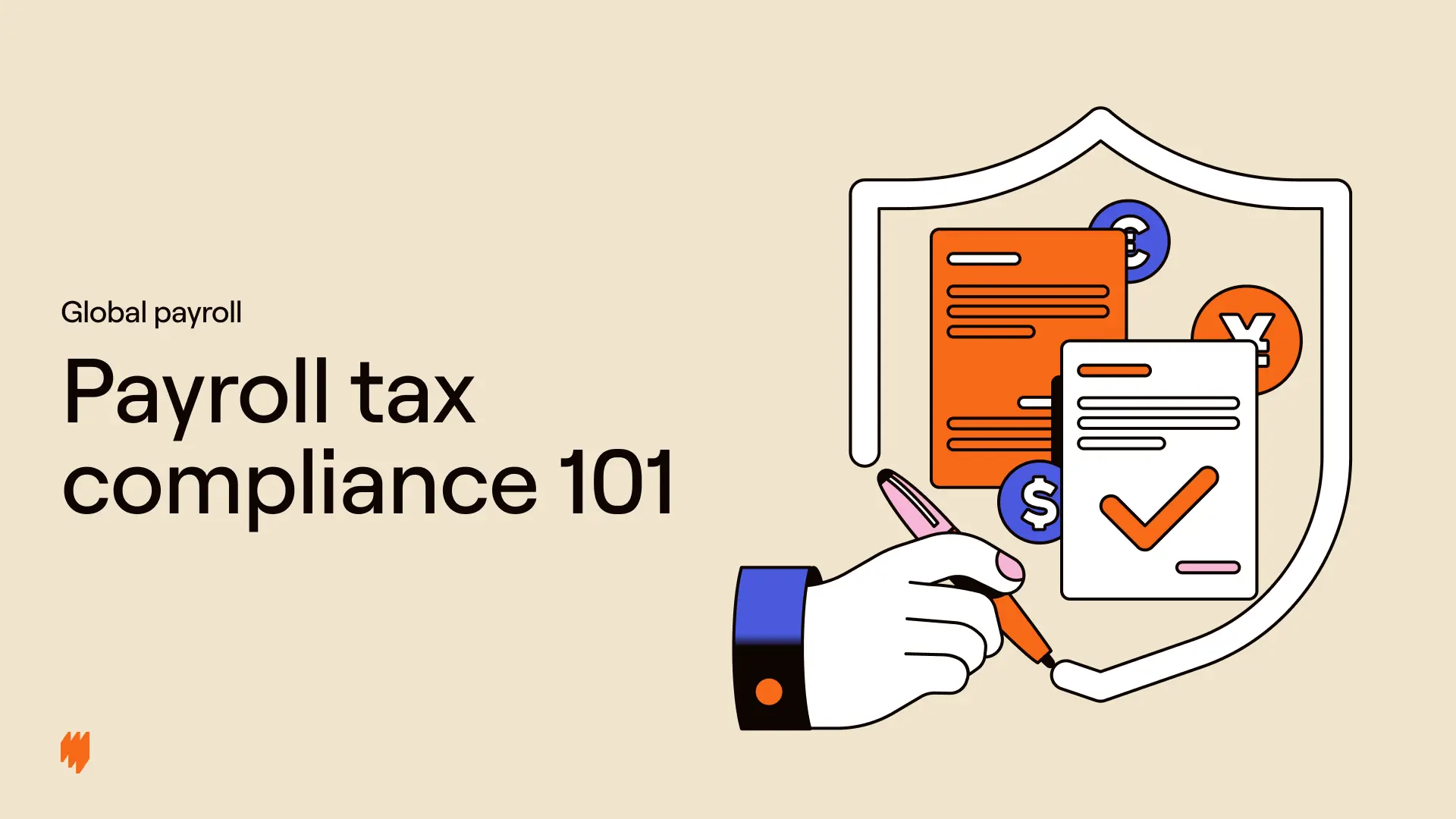 Payroll services play a crucial role in ensuring that businesses remain compliant with labor laws and regulations. By handling all payroll-related tasks efficiently, these services help companies avoid potential penalties and legal issues.
Handling Employee Misclassification
- Payroll services can accurately classify employees as either full-time, part-time, independent contractors, or temporary workers, ensuring compliance with labor laws.
- By correctly categorizing employees, businesses can avoid misclassification issues that could lead to fines or lawsuits.
- Payroll providers stay updated on changing regulations and can adjust classifications accordingly to minimize compliance risks.
Maintaining Accurate Records for Audits
- Payroll services keep detailed records of employee wages, taxes, benefits, and other relevant information, making audits and inspections easier to handle.
- Accurate record-keeping ensures that businesses can provide the necessary documentation to regulatory authorities when required.
- By having organized and up-to-date records, companies can demonstrate compliance with labor laws and regulations, reducing the likelihood of penalties.
Closing Notes
Wrapping up the discussion on Business Payroll Services That Reduce Tax and Compliance Risks, this final paragraph offers a concise summary of the insights shared, leaving readers with a lasting understanding of the topic.
Detailed FAQs
What are the benefits of using cloud-based payroll services for tax and compliance management?
Cloud-based payroll services offer increased accessibility, real-time updates, and enhanced security for sensitive financial data, making tax and compliance management more efficient and reliable.
How can payroll services help businesses stay compliant with changing tax regulations?
Payroll services stay updated with the latest tax laws and regulations, ensuring accurate calculations, timely filings, and proactive adjustments to align with changing tax requirements, helping businesses maintain compliance.