Small Business Week is a pivotal time for small businesses to shine and maximize their marketing efforts. In this guide, we will explore the importance of this week, practical tips on planning ahead, creative marketing ideas, leveraging social media, collaborating with other businesses, and strategies to boost customer engagement. Let's dive in!
Importance of Small Business Week
Small Business Week is a crucial time for small businesses to showcase their products and services, connect with customers, and strengthen their brand presence. It provides a unique opportunity for businesses to stand out in a crowded market and gain visibility.Benefits of Participating in Small Business Week
- Increased Brand Awareness: Small Business Week allows businesses to reach a larger audience and create more awareness about their brand.
- Networking Opportunities: Participating in events and activities during Small Business Week can lead to valuable connections with other businesses, potential customers, and industry influencers.
- Customer Engagement: Small Business Week activities can help businesses engage with their existing customers and attract new ones through promotions, discounts, and special events.
- Community Support: Small Business Week highlights the importance of supporting local businesses, encouraging community members to shop small and contribute to the local economy.
Boosting Brand Visibility and Customer Engagement
Small Business Week provides a platform for businesses to showcase their products and services, share their story, and engage with customers on a personal level. By participating in Small Business Week activities, businesses can increase their visibility, attract new customers, and build long-lasting relationships within the community.Planning Ahead for Small Business Week
Planning ahead is crucial for maximizing the impact of your marketing efforts during Small Business Week. By setting clear goals and objectives, creating a timeline, and strategizing in advance, you can ensure that your promotional activities run smoothly and effectively.Setting Clear Goals and Objectives
- Define specific goals for Small Business Week, such as increasing sales, launching a new product, or growing your customer base.
- Establish measurable objectives that align with your overall business strategy and target audience.
- Ensure that your goals are realistic and achievable within the timeframe of Small Business Week.
- Monitor progress towards your goals and adjust your marketing tactics as needed to stay on track.
Creating a Timeline for Marketing Activities
- Start planning your Small Business Week marketing campaign at least a month in advance to allow ample time for preparation.
- Break down your marketing activities into specific tasks and assign deadlines to each one.
- Allocate resources and budget accordingly to support your planned initiatives.
- Consider scheduling promotions, events, and social media campaigns strategically throughout the week to maintain momentum and engagement.
Creative Marketing Ideas for Small Business Week
When it comes to Small Business Week, thinking outside the box with your marketing strategies can make a big impact. Creativity plays a crucial role in capturing the attention of your target audience and standing out from competitors. Here are some unique marketing ideas tailored for Small Business Week:
Host a Virtual Event
Organize a virtual event such as a webinar, workshop, or panel discussion related to your industry. This not only showcases your expertise but also allows you to connect with your audience on a personal level.
Collaborate with Other Small Businesses
Partner with other small businesses to create joint promotions or events. This not only expands your reach but also strengthens the sense of community among local businesses.
Create Limited Edition Products or Services
Offer exclusive products or services only available during Small Business Week. This creates a sense of urgency and exclusivity, driving customers to make a purchase.
Run a Social Media Contest
Engage your audience by running a social media contest with prizes related to your products or services. Encourage user-generated content and leverage the power of social sharing.
Offer Discounts or Special Deals
Provide special discounts or offers specifically for Small Business Week. This not only attracts new customers but also rewards loyal ones for their continued support.
Leveraging Social Media for Small Business Week
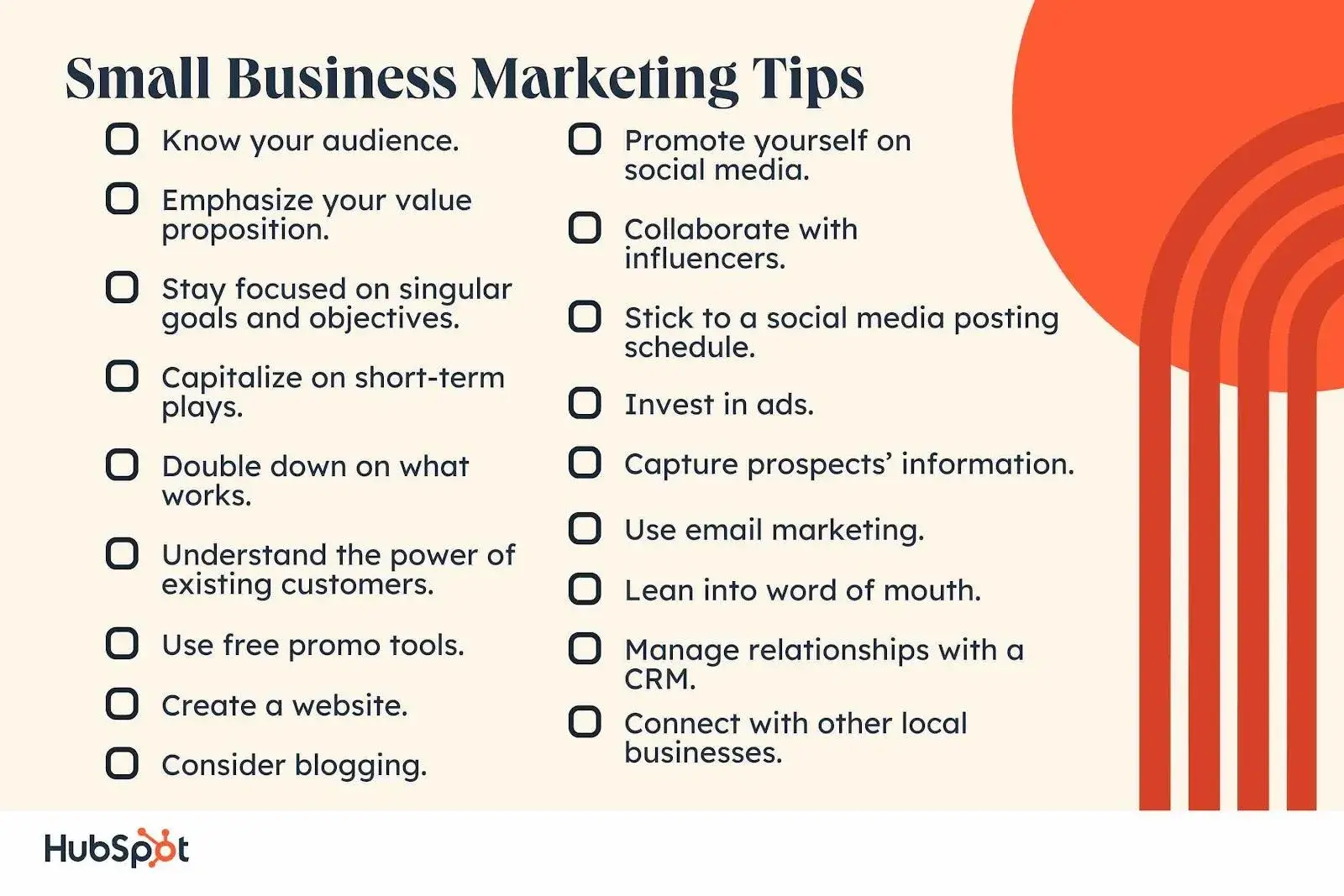
Social media plays a crucial role in Small Business Week marketing, offering a powerful platform to engage with customers, promote products or services, and build brand awareness.
Creating Engaging Social Media Content
When creating content for Small Business Week on social media, consider the following tips:
- Use eye-catching visuals such as images, videos, or infographics to grab attention.
- Include relevant hashtags to increase visibility and reach a wider audience.
- Share customer testimonials or success stories to showcase the impact of your small business.
- Run interactive contests or polls to encourage engagement and participation from your followers.
- Provide behind-the-scenes glimpses into your business to humanize your brand and connect with customers on a personal level.
Examples of Effective Social Media Campaigns
Here are some examples of successful social media campaigns during Small Business Week:
- Instagram Takeovers: Collaborating with influencers or partners to take over your Instagram account for a day can help reach new audiences and generate excitement.
- Facebook Live Events: Hosting live events on Facebook to showcase new products, offer exclusive promotions, or conduct Q&A sessions can drive engagement and boost sales.
- Twitter Chats: Organizing Twitter chats around relevant topics or industry trends can foster conversations, build relationships, and position your small business as an authority in the field.
Collaborating with Other Small Businesses
Collaborating with other small businesses during Small Business Week can offer numerous benefits for all parties involved. By joining forces, businesses can amplify their marketing efforts, reach a wider audience, and create a sense of community among customers. This collaborative approach not only strengthens relationships between businesses but also fosters a supportive environment that can lead to long-term success.Partnering with Complementary Businesses
When looking to partner with other small businesses for joint marketing efforts, consider businesses that offer complementary products or services to your own. This way, you can leverage each other's strengths and target a similar customer base. Here are some ideas on how to collaborate effectively:- Host a joint event or workshop to showcase both businesses
- Create a co-branded product or service offering
- Exchange promotional materials or include each other's flyers in customer orders
- Cross-promote on social media platforms and share each other's content
- Offer bundled discounts or promotions for customers who purchase from both businesses
Impact of Collaboration on Brand Exposure and Customer Acquisition
Collaborating with other small businesses can significantly increase brand exposure and help in acquiring new customers. By tapping into each other's networks and customer base, businesses can reach a larger audience that they may not have been able to reach on their own. This can lead to increased brand visibility, customer engagement, and ultimately, higher sales. Furthermore, customers are more likely to trust businesses that are recommended by other businesses they already know and trust, making collaboration a powerful marketing strategy during Small Business Week.Maximizing Customer Engagement during Small Business Week
Customer engagement is crucial during Small Business Week to build relationships, increase brand loyalty, and drive sales. By implementing strategies to enhance customer interactions, small businesses can create a memorable experience for their target audience.Importance of Personalized Interactions
Personalized interactions with customers can make them feel valued and appreciated, leading to stronger connections and repeat business. Taking the time to understand individual preferences and needs can go a long way in building trust and loyalty.
Examples of Successful Customer Engagement Initiatives
- Host exclusive events or workshops for loyal customers to show appreciation and provide valuable insights.
- Offer personalized discounts or promotions based on past purchases or preferences to incentivize repeat business.
- Create interactive contests or challenges on social media to engage customers and generate excitement around your brand.
- Implement a customer loyalty program with rewards for frequent purchases, referrals, or social media engagement.
Outcome Summary
As we conclude our discussion on Small Business Week Marketing Tips for Maximum Impact, it's clear that with careful planning and innovative strategies, small businesses can truly make the most out of this week. By implementing the suggestions Artikeld here, businesses can enhance their visibility, engage with their audience effectively, and ultimately drive growth. Here's to a successful Small Business Week ahead!
General Inquiries
How can Small Business Week benefit small businesses?
Small Business Week provides a platform for increased visibility, customer engagement, and collaboration opportunities that can significantly boost brand growth.
Why is creativity important in Small Business Week marketing campaigns?
Creativity helps businesses stand out and capture the attention of their target audience amidst the competitive landscape, leading to more impactful marketing results.
What are some tips for maximizing customer engagement during Small Business Week?
Strategies such as personalized interactions, exclusive offers, and interactive content can help enhance customer engagement during Small Business Week.