Exploring the differences between using a Payroll Company for Small Business and implementing an In-House Payroll System opens up a world of possibilities. This comparison delves into the advantages, drawbacks, costs, and scenarios where each option shines, offering readers a deep dive into the realm of payroll management for small businesses.
Pros and Cons of Using Payroll Company for Small Business
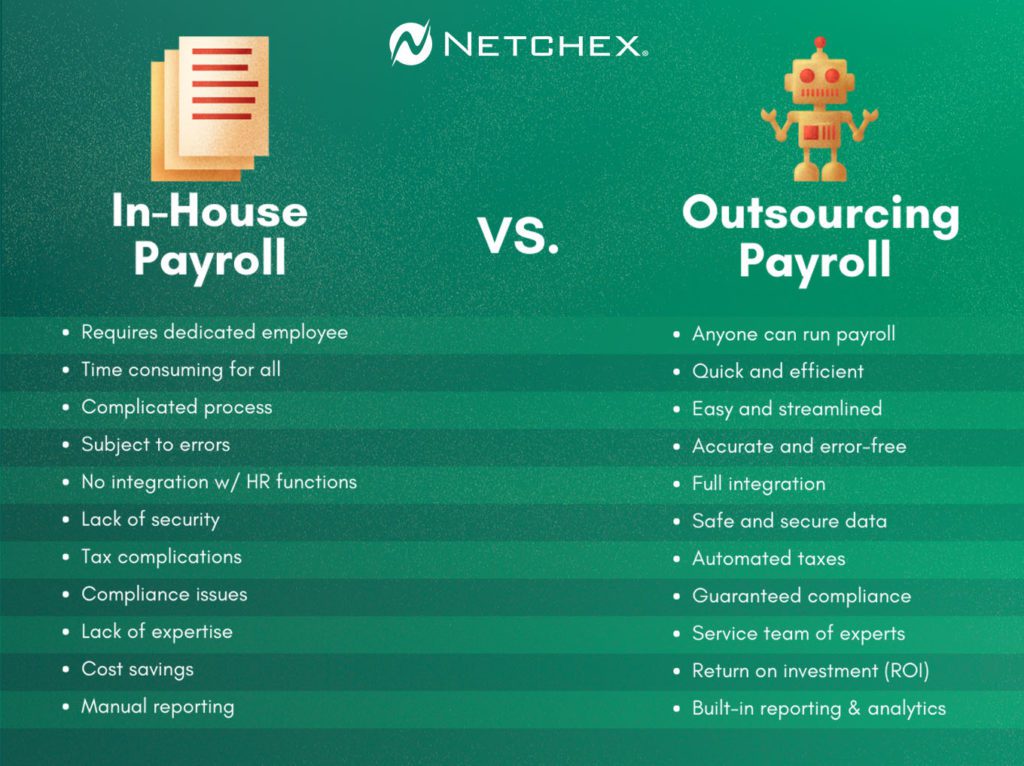 Outsourcing payroll services can offer numerous benefits for small businesses, but there are also potential drawbacks to consider. Let's explore the advantages and disadvantages of using a payroll company for small business operations.
Advantages of Outsourcing Payroll Services
- Expertise and Compliance: Payroll companies specialize in payroll processing and stay up-to-date with ever-changing tax laws and regulations, reducing the risk of costly errors.
- Time-Saving: Outsourcing payroll allows small business owners to focus on core business activities instead of spending hours on payroll calculations and paperwork.
- Cost-Effective: Using a payroll company can be more affordable than hiring and training in-house payroll staff, especially for small businesses with limited resources.
- Enhanced Security: Payroll companies invest in secure technology and processes to protect sensitive employee data, reducing the risk of fraud or data breaches.
Potential Drawbacks of Relying on a Payroll Company
- Lack of Control: Outsourcing payroll means entrusting a third-party provider with sensitive financial information, potentially leading to concerns about data privacy and control.
- Communication Challenges: Depending on a payroll company can sometimes result in delays or misunderstandings, especially if there are complex payroll issues that require immediate attention.
- Dependency on External Provider: Small businesses may become reliant on a payroll company, making it challenging to switch providers if the service quality declines or costs increase unexpectedly.
Cost Comparison: Payroll Company vs. In-House Systems
- Using a payroll company typically involves a monthly or per-payroll fee, which can vary based on the size of the business and the services required.
- In-house payroll systems may involve upfront costs for software, training, and ongoing maintenance, as well as potential costs associated with errors or non-compliance.
- Small businesses should carefully assess their budget and payroll needs to determine the most cost-effective option for their operations.
Examples of When Using a Payroll Company is Beneficial
- A small business experiencing rapid growth may benefit from outsourcing payroll to ensure accurate and timely processing of payroll as the workforce expands.
- Businesses with limited accounting or HR resources can leverage a payroll company's expertise to streamline payroll operations and ensure compliance with tax laws.
- Start-ups or entrepreneurial ventures can focus on core business activities and strategic growth initiatives by outsourcing payroll functions to a reliable provider.
Benefits of In-House Payroll Systems for Small Businesses
Managing payroll internally offers several advantages for small businesses. Let's explore the benefits in detail.Level of Control
Small businesses have complete control over their payroll processes with an in-house system. They can customize the system to fit their specific needs and ensure compliance with regulations. This level of control allows for greater transparency and accuracy in payroll management.Cost Savings
Implementing an in-house payroll system can lead to significant cost savings for small businesses. While there may be initial setup costs, in the long run, businesses can save money by not having to pay outsourcing fees to a third-party payroll company. Additionally, businesses can avoid potential penalties for errors in payroll processing.Advantages over Outsourcing
There are scenarios where in-house payroll systems are more advantageous than outsourcing. For example, businesses with complex payroll structures or specific industry requirements may find it more cost-effective to manage payroll internally. By doing so, businesses can ensure confidentiality of sensitive payroll information and have greater control over data security.Factors to Consider When Choosing Between Payroll Company and In-House Systems
When deciding between using a payroll company or an in-house payroll system for your small business, there are several critical factors to consider. These include the level of expertise and resources required, scalability of solutions, compliance with regulations, and customization options available. Let's delve into each of these factors in detail.Level of Expertise and Resources Required
When comparing a payroll company and an in-house payroll system, it's essential to consider the expertise and resources needed for each option. A payroll company typically has a team of professionals with specialized knowledge in payroll processing, tax regulations, and compliance. On the other hand, managing an in-house system requires hiring or training staff with the necessary expertise and investing in payroll software and infrastructure.
Scalability of Payroll Solutions
The scalability of payroll solutions is crucial for small businesses anticipating growth. A payroll company can easily accommodate increasing payroll needs and additional employees without the need for significant adjustments. In contrast, in-house systems may require upgrades, additional resources, and training to scale effectively as the business expands.
Impact of Compliance and Regulatory Requirements
Compliance with tax regulations and legal requirements is a critical aspect of payroll processing. A payroll company stays up-to-date with changing laws and ensures accurate filings and payments. In-house systems may struggle to keep pace with evolving regulations, leading to potential compliance issues and penalties.
Customization Options Available
Payroll companies often offer standardized payroll solutions with limited customization options. In contrast, in-house systems provide greater flexibility for tailoring the payroll process to meet specific business needs. Small businesses with unique payroll requirements may benefit from the customization capabilities of an in-house system.
Security and Confidentiality Aspects of Payroll Management
When it comes to managing payroll, security and confidentiality are paramount. Let's delve into the various aspects related to ensuring the safety of sensitive payroll data.
Security Measures Offered by Payroll Companies
- Payroll companies often use encryption techniques to secure data transmission.
- They implement multi-factor authentication to prevent unauthorized access.
- Regular security audits and updates are conducted to identify and address vulnerabilities.
- Secure servers and data centers are used to store payroll information.
Risks Associated with Data Breaches in Payroll Management
- Data breaches can lead to identity theft and financial fraud for employees.
- Loss of trust and reputation damage can occur for the business.
- Potential legal repercussions and fines may be imposed for failing to protect confidential data.
Confidentiality Aspects of Using a Payroll Company vs. In-House Systems
- Payroll companies have strict confidentiality agreements in place to protect sensitive information.
- In-house systems may have limited access controls, increasing the risk of data exposure.
- Outsourcing payroll to a company can provide an extra layer of confidentiality as data is handled by professionals.
Best Practices to Ensure Data Security in Payroll Management
- Regularly update software and systems to patch security vulnerabilities.
- Train employees on data security protocols and best practices.
- Limit access to payroll information to authorized personnel only.
- Conduct regular audits and risk assessments to identify and mitigate potential threats.
Last Recap
In conclusion, the decision between a Payroll Company and an In-House Payroll System is a pivotal one for small businesses. Understanding the factors, benefits, and considerations discussed in this comparison is crucial for making an informed choice that aligns with your business goals and needs.
FAQs
What are the main advantages of using a Payroll Company for Small Business?
Outsourcing payroll services can save time, reduce errors, ensure compliance, and provide access to experts in the field.
How can In-House Payroll Systems benefit small businesses?
Managing payroll internally offers control, cost savings, customization options, and can be more advantageous in certain scenarios.
What factors should be considered when choosing between a Payroll Company and In-House Systems?
Consider expertise required, scalability, compliance, and customization options to make an informed decision.
How do Payroll Companies ensure security and confidentiality?
Payroll companies typically have security measures in place, but risks of data breaches exist. Best practices should be followed to ensure data security.