
Exploring the intricacies of the SaaS startup business model, this introduction sets the stage for a deep dive into a dynamic and evolving industry.
Providing insights and analysis on the fundamental aspects of SaaS startups, this overview aims to shed light on the key components that drive success in this competitive landscape.
Overview of SaaS Startup Business Model
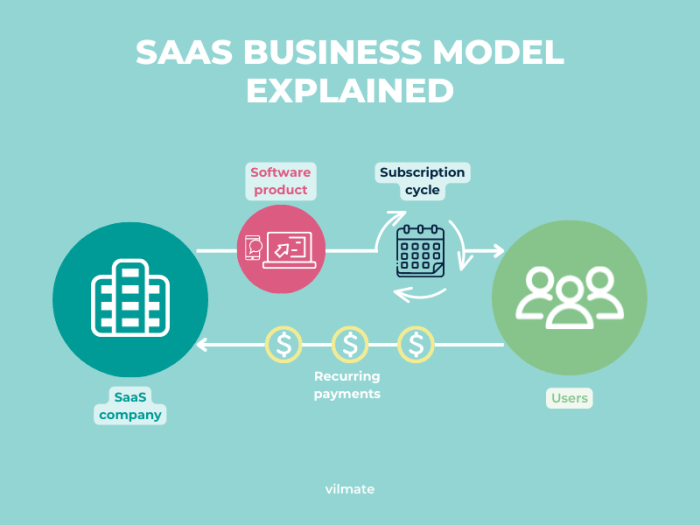
A SaaS startup business model refers to a business that provides software as a service to customers through a subscription-based model. This means that instead of customers purchasing the software outright, they pay a recurring fee to access it over the cloud.
Key Components of a SaaS Startup Business Model
- Subscription-Based Model: SaaS startups offer their software on a subscription basis, allowing customers to pay a regular fee for access.
- Cloud-Based Infrastructure: SaaS companies host their software on the cloud, enabling easy access for customers from anywhere with an internet connection.
- Scalability: SaaS startups can easily scale their operations to accommodate growing numbers of users without significant infrastructure investments.
- Regular Updates and Maintenance: SaaS companies are responsible for providing regular updates and maintenance for their software, ensuring that customers have access to the latest features and security patches.
Advantages of Adopting a SaaS Model for Startups
- Low Initial Costs: SaaS startups typically have lower upfront costs compared to traditional software companies, as they don't need to develop physical products or distribute them.
- Recurring Revenue: The subscription-based model of SaaS businesses ensures a steady stream of revenue, providing more predictability for financial planning.
- Global Reach: SaaS companies can easily reach a global audience since their software is accessible over the internet, allowing for rapid expansion into new markets.
- Customer Retention: With regular updates and maintenance, SaaS startups can improve customer satisfaction and retention rates, leading to long-term relationships with clients.
Customer Segmentation in SaaS Startup Business Model
Customer segmentation plays a crucial role in the success of a SaaS startup. By dividing customers into distinct groups based on their characteristics, behaviors, and needs, businesses can tailor their products and marketing strategies to better meet the specific requirements of each segment.
Importance of Customer Segmentation
Customer segmentation allows SaaS startups to:
- Identify target customers more accurately
- Personalize marketing messages and product offerings
- Improve customer satisfaction and retention
- Allocate resources more efficiently
Examples of Customer Segmentation Driving Business Growth
- For example, a SaaS company may segment customers based on company size, with different pricing plans and features tailored to small businesses versus enterprise clients. This targeted approach can attract a wider range of customers and drive revenue growth.
- Another example could involve segmenting customers by industry, allowing the SaaS startup to create industry-specific solutions and marketing campaigns that resonate with different sectors, leading to increased market share and customer loyalty.
Strategies for Effectively Segmenting Customers
- Utilize data analytics tools to gather and analyze customer data for segmentation purposes.
- Consider factors such as demographics, behavior, usage patterns, and feedback to create meaningful customer segments.
- Regularly review and update customer segments based on changing market trends and customer preferences.
- Implement targeted marketing campaigns and product enhancements for each customer segment to maximize engagement and retention.
Revenue Streams in SaaS Startup Business Model
Revenue streams are crucial for the success and sustainability of SaaS startups. These streams determine how a company generates income and sustains its operations. Let's delve into the different revenue streams commonly used in SaaS startups and how they can diversify their revenue for long-term success.
Subscription-based vs. Usage-based Revenue Models
Subscription-based Revenue Model:
- In this model, customers pay a fixed fee on a recurring basis (monthly, annually) to access the SaaS product.
- This model provides a predictable stream of revenue, making it easier for startups to forecast their income.
- Examples include Netflix, Spotify, and Adobe Creative Cloud.
Usage-based Revenue Model:
- In this model, customers pay based on their usage of the SaaS product, such as the number of users, storage space, or transactions.
- This model offers flexibility to customers as they only pay for what they use, but it can be challenging for startups to predict revenue.
- Examples include Amazon Web Services (AWS), Twilio, and Google Cloud Platform.
Diversifying Revenue Streams for Sustainability
SaaS startups can diversify their revenue streams to reduce dependency on a single source of income and ensure long-term sustainability. Some ways to diversify revenue streams include:
- Offering premium features or add-ons for an additional fee to cater to customers willing to pay more for enhanced functionality.
- Providing consulting or training services to customers who require personalized assistance in using the SaaS product effectively.
- Partnering with other companies for integrations or referrals, earning commissions or fees for each successful partnership.
- Developing a freemium model where basic features are offered for free, but customers can upgrade to a paid plan for advanced features.
By diversifying revenue streams, SaaS startups can adapt to changing market dynamics, mitigate risks, and create a more stable financial foundation for growth and innovation.
Customer Acquisition and Retention Strategies
Customer acquisition and retention are crucial for the success of a SaaS startup. Here, we will explore effective strategies for acquiring and retaining customers in the SaaS business model.
Effective Customer Acquisition Strategies
Customer acquisition is a key focus for SaaS startups looking to grow their user base. Here are some effective strategies for acquiring customers:
- Utilize content marketing to create valuable and informative content that attracts potential customers.
- Offer free trials or freemium versions of your product to allow customers to experience the value firsthand.
- Collaborate with influencers or industry experts to reach a wider audience and build credibility.
- Implement targeted advertising campaigns on social media platforms and search engines to reach your target market.
Tactics for Improving Customer Retention
Customer retention is equally important as acquisition in a SaaS business model. Here are some tactics to improve customer retention:
- Provide excellent customer support to address any issues or concerns promptly.
- Send personalized communication and offers to keep customers engaged with your product.
- Offer regular updates and new features to continuously add value and prevent churn.
- Implement a customer loyalty program to reward long-term customers and encourage repeat business.
Role of Customer Success Teams in Retaining Customers
Customer success teams play a vital role in retaining customers in a SaaS startup. They are responsible for ensuring that customers are successfully onboarded, trained, and supported throughout their journey. By proactively engaging with customers, addressing their needs, and helping them achieve their goals with the product, customer success teams can increase customer satisfaction and loyalty, ultimately reducing churn rates.
Outcome Summary

In conclusion, the SaaS startup business model is a complex yet promising field that offers a wealth of opportunities for innovative entrepreneurs. By understanding the nuances of customer segmentation, revenue streams, and customer acquisition strategies, startups can pave the way for sustainable growth and long-term success in the ever-changing tech world.
FAQ Summary
What are the key components of a SaaS startup business model?
The key components include a scalable software product, subscription-based pricing, and cloud-based delivery.
How can SaaS startups diversify their revenue streams?
SaaS startups can diversify revenue streams by offering add-on services, implementing tiered pricing plans, and exploring partnerships with other businesses.
What is the role of customer success teams in a SaaS startup?
Customer success teams play a crucial role in retaining customers by providing support, training, and ensuring that clients derive maximum value from the product.