
Startup business plans that attract investors set the foundation for a successful venture, drawing in potential backers with a strategic roadmap for growth and profitability. This guide delves into the essential components and strategies that can make your business plan stand out in a competitive market.
Essential Components of a Startup Business Plan
Starting a business requires a solid plan to guide you through the process. A well-structured startup business plan is crucial, especially when seeking investors. Let's delve into the key components that should be included in a startup business plan and their importance in attracting investors.
Executive Summary
The executive summary is a concise overview of your business plan, highlighting key points such as your business idea, target market, competitive advantage, financial projections, and funding requirements. Investors often read this section first, so it needs to be compelling and informative.
Business Description
In this section, you provide an in-depth description of your business, including its mission, vision, and goals. You should also Artikel your target market, competition analysis, and how your product or service meets market needs. Investors look for a clear understanding of your business concept and its potential for success.
Market Analysis
A detailed market analysis is essential to demonstrate your knowledge of the industry, target market, and competitors. Include data on market size, trends, growth potential, and your market strategy. Investors want to see that you have a solid understanding of the market and how your business fits into it.
Marketing and Sales Strategy
Artikel your marketing and sales tactics to attract and retain customers. Include your pricing strategy, promotional activities, distribution channels, and sales projections. Investors need to see a well-thought-out plan for reaching your target market and generating revenue.
Financial Projections
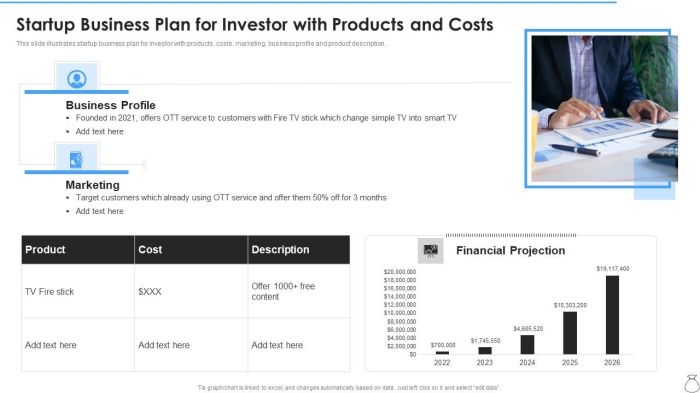
Financial projections are crucial for investors to assess the potential return on their investment. Include detailed financial statements, such as income statements, cash flow projections, and balance sheets. Investors want to see realistic and well-supported financial projections that demonstrate the growth potential of your business.
Team and Management
Introduce your team and highlight their skills, experience, and roles within the company. Investors want to know that you have a strong team in place to execute your business plan successfully. Include bios and relevant accomplishments to build credibility with investors.
Appendix
The appendix includes additional information that supports your business plan, such as resumes, legal documents, market research data, and any other relevant materials. While not always required, the appendix can provide investors with more detailed information to make informed decisions.
Market Research and Analysis
Market research is a crucial aspect of creating a successful startup business plan. It involves gathering and analyzing information about the target market, customers, competitors, and industry trends. By conducting thorough market research, entrepreneurs can make informed decisions and develop strategies that are more likely to succeed in the market.
Process of Conducting Market Research
Market research can be conducted through various methods, including surveys, interviews, focus groups, and data analysis. The process typically involves the following steps:
- Identifying the research objectives and goals
- Defining the target market and customer segments
- Gathering data through primary and secondary sources
- Analyzing the data to identify trends and patterns
- Interpreting the findings to make informed decisions
Tools and Methods for Gathering Market Data
There are several tools and methods available to gather market data effectively. Some examples include:
- Online surveys and questionnaires
- Competitor analysis tools
- Social media listening tools
- Industry reports and publications
- Focus groups and interviews
Influence of Market Analysis on Investor Interest
Market analysis plays a critical role in attracting investors to a startup business. By demonstrating a deep understanding of the market landscape, competitors, and target customers, entrepreneurs can showcase the potential for growth and profitability. Investors are more likely to be interested in startups that have conducted thorough market research, as it reduces the risks associated with uncertainty and market fluctuations.
Unique Value Proposition
A unique value proposition is a statement that explains how your product or service solves a problem or fulfills a need in a way that distinguishes you from the competition. It is crucial for attracting investors because it demonstrates the potential for success and profitability of your business idea.
Examples of Successful Unique Value Propositions
- Uber: "The smartest way to get around."
- Airbnb: "Belong anywhere."
- Netflix: "See what's next."
How to Differentiate Your Business Idea
To present your business idea as unique, focus on what sets you apart from competitors. Highlight the specific benefits that customers will receive by choosing your product or service. Conduct market research to identify gaps in the market and tailor your value proposition to address those needs.
Emphasize your strengths and innovation to showcase why your business is a valuable investment.
Financial Projections and Strategies
When creating a startup business plan, one of the key components that attract investors is the financial projections and strategies Artikeld in the plan. These projections provide a roadmap for the financial future of the business and demonstrate the potential for growth and profitability.
Financial Projections to Include
- Sales Forecast: Artikel the expected sales for the first few years, taking into account market research and growth projections.
- Profit and Loss Statement: Detail the estimated expenses and revenues to determine the profitability of the business.
- Cash Flow Statement: Show how cash will flow in and out of the business to ensure there is enough to cover expenses.
- Break-Even Analysis: Determine when the business will start making a profit and cover its initial costs.
Creating Realistic Financial Forecasts
It is crucial to create realistic financial forecasts that instill confidence in investors. To achieve this, ensure that your projections are based on thorough market research, realistic assumptions, and industry benchmarks. Use conservative estimates to avoid overestimating revenue and underestimating expenses.
Financial Strategies for Growth and Profitability
- Diversification: Explore new markets or products to reduce risks and increase revenue streams.
- Cost Control: Implement strategies to manage expenses effectively and improve profit margins.
- Scaling: Develop a plan to scale the business operations in line with the growth projections to maximize profitability.
- Investment Opportunities: Identify potential investment opportunities that can fuel growth and expand the business.
Team and Advisory Board
Having a strong team and advisory board is crucial for the success of a startup. They bring expertise, experience, and diverse skill sets to the table, helping to navigate challenges and make informed decisions
Showcasing Team Expertise
- Highlight the relevant experience of each team member, showcasing their achievements and how it aligns with the startup's goals.
- Include any past successful ventures or projects they have been involved in to demonstrate their track record.
- Emphasize the unique strengths and capabilities of each team member that contribute to the overall success of the startup.
Increasing Investor Confidence
- A skilled team instills confidence in investors as they see a capable group of individuals driving the startup forward.
- Demonstrating a well-rounded team with expertise in different areas can mitigate risks and enhance the credibility of the business plan.
- Investors are more likely to trust their investment in a startup with a strong team as they believe in the team's ability to execute the vision effectively.
Marketing and Sales Strategies
Marketing and sales strategies play a crucial role in determining the success of a startup business. These strategies help in attracting customers, creating brand awareness, and ultimately generating revenue for the business.
Utilizing Social Media Platforms
- Engage with customers through social media platforms like Facebook, Instagram, and Twitter to build a loyal customer base.
- Create targeted ads to reach specific demographics and increase brand visibility.
- Utilize influencer marketing to promote products/services and reach a wider audience.
Content Marketing and Strategies
- Develop high-quality content through blogs, videos, and infographics to educate and engage customers.
- Optimize website content for to improve search engine rankings and drive organic traffic.
- Implement email marketing campaigns to nurture leads and convert them into customers.
Partnerships and Collaborations
- Form partnerships with complementary businesses to expand reach and access new customer segments.
- Collaborate with influencers, bloggers, or other brands for joint marketing campaigns to increase brand visibility.
- Offer affiliate programs to incentivize partners to promote products/services and drive sales.
Competitive Analysis
When creating a startup business plan, conducting a competitive analysis is crucial for understanding the market landscape and identifying key players in your industry. This analysis helps you evaluate the strengths and weaknesses of your competitors, identify opportunities for differentiation, and anticipate potential threats to your business.
Ultimately, a thorough competitive analysis can give you a competitive edge and attract investors by showcasing your awareness of the market and your strategic positioning.
Identifying and Analyzing Competitors
To effectively identify and analyze competitors, start by researching businesses that offer similar products or services in your target market. Look at their pricing strategies, marketing tactics, distribution channels, and customer base. Analyze their strengths and weaknesses, such as their market share, brand reputation, and customer loyalty.
Use tools like SWOT analysis (Strengths, Weaknesses, Opportunities, Threats) to evaluate each competitor's position in the market and compare it to your own.
- Identify direct competitors who offer the same products or services as your startup.
- Look for indirect competitors who may not offer the exact same solutions but target a similar customer segment.
- Analyze the competitive landscape to understand market trends, customer preferences, and potential gaps in the market that your startup can fill.
- Monitor competitors' activities, such as product launches, marketing campaigns, and partnerships, to stay informed and agile in your strategy.
Setting Your Startup Apart
By conducting a thorough competitive analysis, you can identify unique value propositions, differentiation strategies, and competitive advantages that set your startup apart from the competition. This information can be highlighted in your business plan to showcase your understanding of the market and your strategic approach to capturing market share.
Investors are more likely to be impressed by a startup that demonstrates a clear awareness of its competitive landscape and a well-defined strategy for success.
Risk Assessment and Mitigation
Risk assessment and mitigation are crucial components of a startup business plan as they help identify potential challenges and uncertainties that could impact the success of the business. By addressing these risks upfront, entrepreneurs can demonstrate to investors that they have a clear understanding of the potential obstacles and have strategies in place to minimize their impact.
Identifying Potential Risks
When assessing risks, startups should consider both internal and external factors that could affect their operations. Internal risks may include lack of funding, inexperienced team members, or operational inefficiencies, while external risks could be changes in market trends, regulatory issues, or competition.
By identifying these risks, startups can develop mitigation strategies to address them effectively.
- Conduct a SWOT analysis to identify strengths, weaknesses, opportunities, and threats.
- Evaluate market conditions and potential disruptions that could impact the business.
- Assess financial risks such as cash flow challenges or unexpected expenses.
Mitigating Risks
Mitigating risks involves developing strategies to reduce the likelihood of risks occurring or minimizing their impact if they do occur. This proactive approach can provide investors with confidence in the startup's ability to navigate challenges and achieve success.
Example: Diversifying the customer base to reduce dependency on a single client and mitigate the risk of revenue loss.
- Secure adequate insurance coverage to protect against unforeseen events such as natural disasters or lawsuits.
- Implement robust cybersecurity measures to safeguard sensitive data and protect against cyber threats.
- Build strong relationships with suppliers to ensure a stable supply chain and mitigate disruptions.
Wrap-Up
In conclusion, creating a startup business plan that resonates with investors requires a blend of innovation, market insight, and financial acumen. By incorporating these key elements effectively, entrepreneurs can increase their chances of securing the funding needed to turn their vision into reality.
Key Questions Answered
How important is market research in a startup business plan?
Market research is crucial as it provides valuable insights into consumer behavior, competition, and market trends, helping entrepreneurs make informed decisions.
What should financial projections in a business plan focus on?
Financial projections should highlight revenue forecasts, expenses, cash flow, and profitability to showcase the business's growth potential.
Why is a strong team essential for attracting investors?
Investors look for a capable and experienced team to execute the business plan effectively, increasing their confidence in the venture's success.