
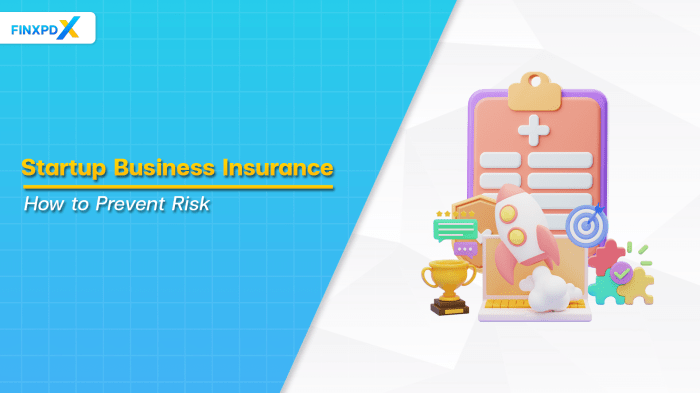
Startup business insurance: What you need to know is crucial for the success and protection of new ventures. Understanding the ins and outs of insurance for startups can make a significant difference in navigating the challenges of entrepreneurship. Let's dive into the essentials of startup business insurance and why it's a vital component of any new business.
Introduction to Startup Business Insurance
Startup business insurance refers to the various types of insurance coverage that are essential for newly established businesses. It is designed to protect startups from financial losses due to unforeseen circumstances or risks.
Why Startup Businesses Need Insurance
- Insurance provides financial protection against liabilities, property damage, and other risks that could potentially bankrupt a startup.
- It helps startups comply with legal requirements and contractual obligations, giving them credibility and trustworthiness in the market.
- Insurance can also attract investors and clients who prefer to work with businesses that are adequately insured.
Types of Insurance Coverage Available for Startups
- General Liability Insurance: Covers third-party claims of bodily injury, property damage, and advertising injury.
- Property Insurance: Protects business property, equipment, and inventory against damage or loss due to fire, theft, or other covered perils.
- Professional Liability Insurance: Also known as Errors and Omissions (E&O) Insurance, it covers claims of negligence or inadequate work performance.
- Workers' Compensation Insurance: Provides coverage for employees' medical expenses and lost wages due to work-related injuries or illnesses.
- Business Interruption Insurance: Compensates for lost income and operating expenses if a startup is unable to operate due to a covered peril.
Importance of Startup Business Insurance
Insurance is a crucial aspect for startup businesses as it provides protection against various risks that could potentially derail the business operations. Without insurance, startups face significant financial liabilities that could lead to bankruptcy or closure. Here are some key reasons why startup business insurance is important:
Risks Faced by Startup Businesses Without Insurance
Startup businesses that operate without insurance are exposed to a wide range of risks that could have devastating consequences. These risks include:
- Lawsuits: Without liability insurance, startups can be vulnerable to lawsuits from customers, employees, or other third parties for injuries, damages, or negligence.
- Property Damage: In the event of fire, theft, or natural disasters, startups without property insurance could suffer significant financial losses if their physical assets are damaged or destroyed.
- Business Interruption: Without business interruption insurance, startups may struggle to recover financially after unexpected events such as a pandemic, natural disaster, or other disruptions that impact operations.
Benefits of Insurance for Startups
Insurance can provide startups with the necessary protection to navigate through unforeseen events and risks. Some key benefits of insurance for startups include:
- Financial Protection: Insurance coverage can help startups mitigate financial losses and liabilities in case of accidents, lawsuits, or property damage.
- Legal Compliance: Certain types of insurance, such as workers' compensation or professional liability insurance, are legally required for startups to operate in compliance with regulations.
- Peace of Mind: Having insurance coverage gives startups peace of mind, knowing that they are protected against unforeseen events that could potentially threaten their business operations.
Types of Insurance Coverage
When it comes to protecting your startup business, having the right insurance coverage is essential. Here are some of the most important types of insurance that startup businesses should consider:
General Liability Insurance
- General liability insurance provides coverage for claims of bodily injury, property damage, and advertising injury.
- This type of insurance can help protect your business from lawsuits and other financial liabilities.
Property Insurance
- Property insurance covers your business property, such as buildings, equipment, and inventory, against damage or loss due to fire, theft, or other covered perils.
- Having property insurance can help your startup recover quickly in the event of a disaster.
Workers’ Compensation Insurance
- Workers' compensation insurance provides coverage for medical expenses and lost wages for employees who are injured or become ill while on the job.
- This type of insurance is required by law in most states and can help protect your startup from costly lawsuits related to workplace injuries.
Professional Liability Insurance
- Professional liability insurance, also known as errors and omissions insurance, provides coverage for claims of negligence or failure to perform professional services.
- This type of insurance is essential for startups that provide professional services or advice to clients.
Cyber Liability Insurance
- Cyber liability insurance helps protect your startup from the financial losses associated with cyberattacks, data breaches, and other cyber threats.
- Having cyber liability insurance can help your business recover from the costs of notifying affected customers, investigating the breach, and restoring your data.
Factors to Consider When Choosing Insurance
When selecting insurance policies for your startup business, there are several key factors that you need to take into consideration to ensure adequate coverage and protection. The nature of your business, industry risks, and budget constraints all play a crucial role in determining the right insurance coverage for your specific needs.
Nature of the Business and Insurance Needs
The nature of your business heavily influences the type and amount of insurance coverage required. For example, a tech startup may face different risks compared to a restaurant business. It is essential to assess the unique risks associated with your industry and operations to determine the appropriate coverage.
Factors such as location, number of employees, revenue, and assets also impact insurance needs.
- Consider the specific risks your business faces, such as liability, property damage, or cyber threats.
- Assess the potential financial impact of these risks on your business operations.
- Consult with an insurance agent or broker specializing in commercial insurance to get personalized advice.
Determining the Right Amount of Coverage
Determining the right amount of coverage for your startup business involves evaluating your assets, liabilities, and potential risks. Under-insuring can leave your business vulnerable to financial losses, while over-insuring can lead to unnecessary expenses. Here are some tips to help you determine the appropriate level of coverage:
- Conduct a thorough risk assessment to identify potential threats to your business.
- Calculate the value of your assets, including equipment, inventory, and intellectual property.
- Consider the cost of potential liabilities, such as legal claims or customer injuries.
- Review your budget constraints and determine how much you can afford to pay for insurance premiums.
Cost and Budgeting
When it comes to startup business insurance, understanding the costs involved and effectively managing them is crucial for the financial health of your business. Here, we will delve into how insurance costs are determined for startups, ways to manage these costs effectively, and guidance on budgeting for insurance as part of your overall startup costs.
Determining Insurance Costs
Insurance costs for startups are typically determined based on several factors, including the type of coverage needed, the size and nature of your business, location, industry risks, and past insurance claims history. Insurers assess these factors to calculate the level of risk associated with your business and determine the premiums accordingly.
Managing Insurance Costs Effectively
- Shop around: Compare quotes from multiple insurers to find the best coverage at competitive rates.
- Bundle policies: Consider bundling different types of insurance (e.g., general liability, property, and business interruption) with the same insurer for potential discounts.
- Opt for higher deductibles: Choosing higher deductibles can lower your premiums, but make sure you can afford the out-of-pocket costs in case of a claim.
- Implement risk management strategies: Proactively address potential risks in your business to reduce the likelihood of claims and lower insurance costs.
Budgeting for Insurance
When budgeting for insurance as part of your startup costs, it's essential to allocate a realistic amount based on the coverage you need and the potential risks your business faces. Consider working with an insurance broker or agent to assess your insurance needs and explore cost-effective options that provide adequate protection without breaking the bank.
Legal Requirements and Compliance
In the realm of startup business insurance, understanding and adhering to legal requirements is crucial for the success and sustainability of a new venture. Failure to comply with these regulations can have serious consequences for a startup's operations, potentially leading to financial penalties, legal disputes, or even the forced closure of the business.
It is essential for startups to navigate the legal landscape of insurance with care and diligence to protect their interests and ensure compliance with the law.
The Legal Landscape for Insurance in Startup Businesses
- Startups are often required by law to have certain types of insurance coverage, depending on the nature of their business and the jurisdiction in which they operate. Common types of mandatory insurance for startups may include workers' compensation insurance, general liability insurance, and professional liability insurance.
- Compliance with these legal requirements not only helps protect the startup from financial risks and liabilities but also demonstrates a commitment to ethical business practices and regulatory compliance, which can enhance the startup's reputation and credibility in the marketplace.
- Non-compliance with mandatory insurance requirements can result in severe consequences for startups, including fines, lawsuits, and regulatory sanctions. In some cases, failure to carry required insurance coverage can lead to legal action by employees, customers, or other parties affected by the startup's operations.
- It is essential for startup founders and owners to familiarize themselves with the specific insurance regulations and requirements that apply to their industry and location. Seeking guidance from legal and insurance professionals can help startups ensure that they are meeting all legal obligations and adequately protecting their interests.
Final Thoughts
In conclusion, startup business insurance is a fundamental aspect of ensuring the long-term sustainability and growth of new ventures. By being adequately informed and prepared with the right insurance coverage, startups can mitigate risks and focus on building their businesses with confidence.
Answers to Common Questions
What is startup business insurance?
Startup business insurance is a type of coverage designed to protect new businesses from financial losses due to unexpected events or liabilities.
Why do startup businesses need insurance?
Startup businesses need insurance to safeguard their assets, mitigate risks, and comply with legal requirements.
How can startups recover from unexpected events with insurance?
Insurance can help startups recover by providing financial support for damages, legal fees, or other costs resulting from unforeseen incidents.